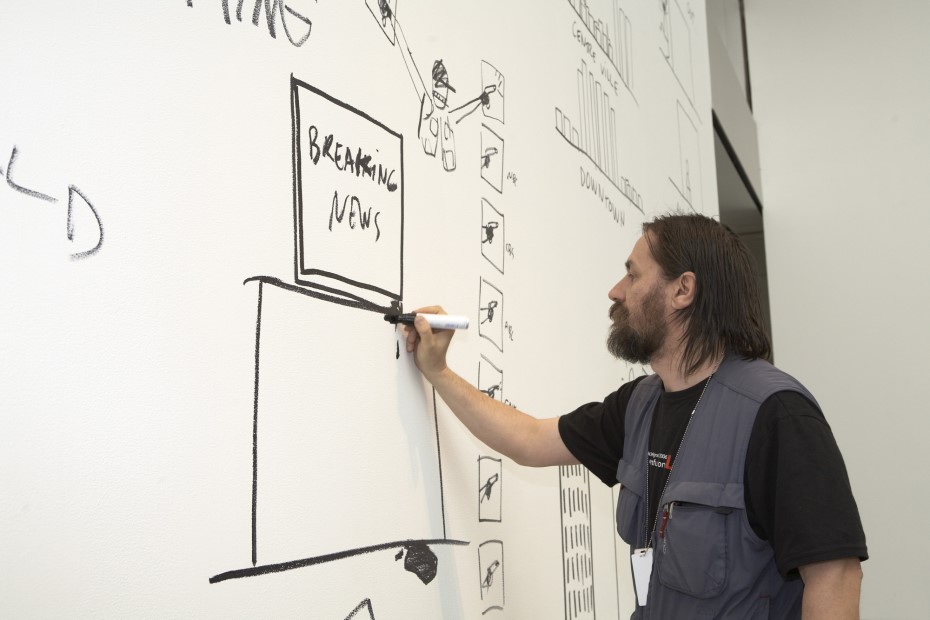
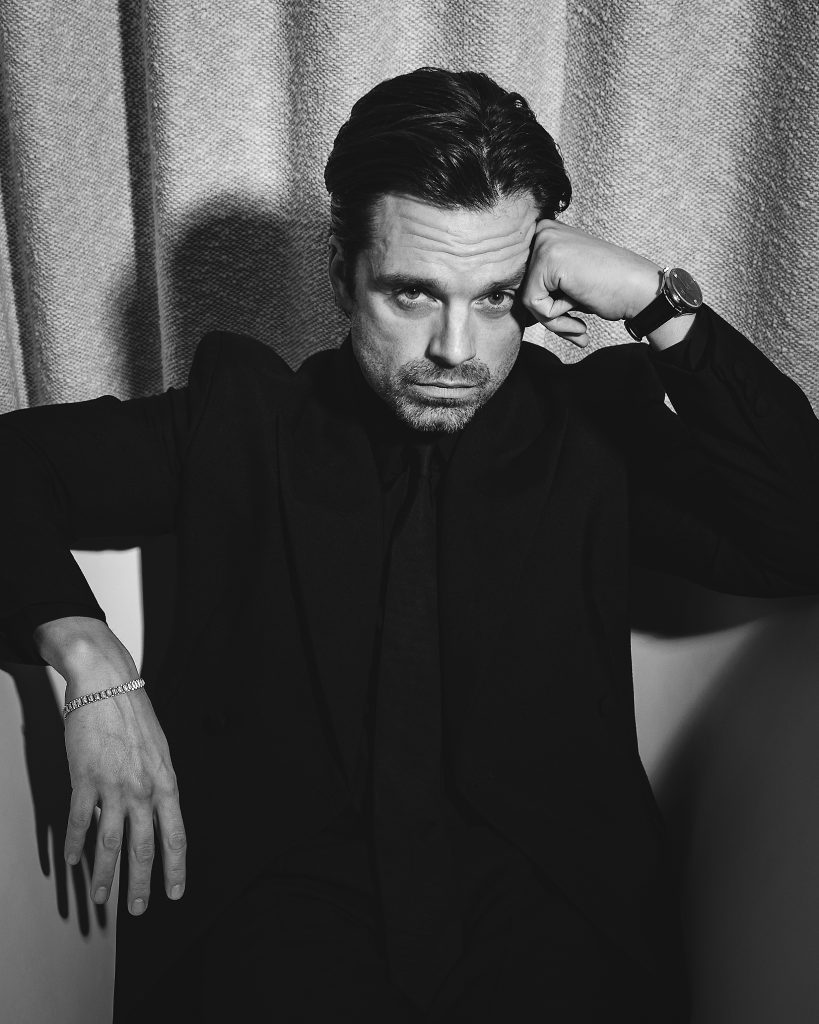
Photo: Adi Bulboacă for Cultura la dubă
“This is your responsibility – to look at all the parts of yourself, even the ones you don’t like, the questions you’re afraid of, to see who you are, how you were made, and then ask yourself: okay, now what do you want to do with that?”
Departure. For an 8-year-old child, departure can be a concept absorbed far too early, especially when it leads into the unknown. It becomes, however, bearable when accompanied by a mother determined to offer a new life.
Departure is deeply rooted in Sebastian Stan’s life story. He left Constanța as a child, leaving behind his beloved grandparents and his friends from the apartment building stairwell. He arrived with his mother in Austria, then in America, in New York. And later, his acting career would also involve countless other departures.
But today we won’t talk about leaving – we’ll talk about returning.
With an extraordinary ability to transform, choosing vastly different scripts, Sebastian Stan is now one of the most acclaimed actors in Hollywood, a Golden Globe winner and an Academy Award nominee. He holds dual citizenship – American and Romanian.
And in just a few weeks, he will be seen for the first time in a Romanian film, Fjord, directed by Cristian Mungiu – exactly where any cinema artist belongs: at the Cannes Film Festival, in the official competition.
To get close to a celebrity like Sebastian Stan, you would normally have to pass through an army of agents, managers, publicists, or quite literally, security personnel.
On the Fjord set in Norway, however, things were different. For over a month, Stan set aside his invisible superstar cloak and integrated himself into the various layers of the film crew, made up of Romanians, Norwegians, Swedes, and Finns.
Typically, such a celebrity gives interviews rarely and only to major, internationally known publications.
The fact that Sebastian Stan chose to give his first interview in Romania after his Oscar nomination to a small publication like Cultura la dubăsays much more about him than about us. It is just one of the ways in which he uses his notoriety in service of others – to support causes he believes in, causes that otherwise do not receive much attention. With the same reasoning, he supported, as a producer and financier, the debut feature film of a Romanian director – A River’s Gaze, by Andreea Borțun.
The conversation with Sebastian Stan flowed as naturally as possible and touched on personal subjects that help us discover him beyond his acting career. From the search of a child suddenly awakened in a completely different world, to the 42-year-old adult trying to find his true identity and his role on earth. All of this, in the context of the painful loss of his father – “I only spoke Romanian with my father, which created a very special intimacy between us, like an invisible thread that belonged only to us.”
What role does film play in all of this? It is the art form through which Stan can bring his most authentic contribution to a world torn by conflict. And it is also part of his own personal search.
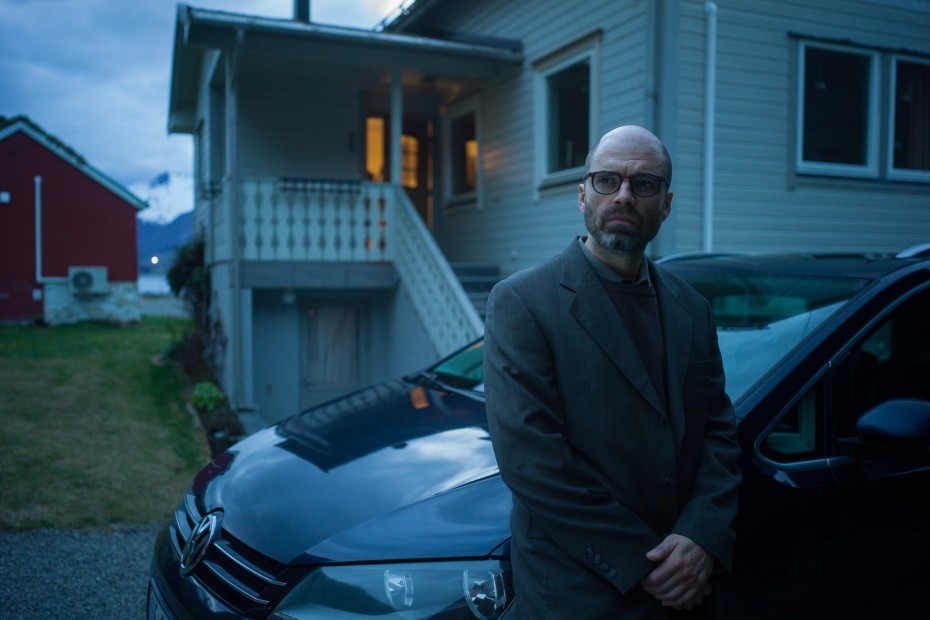
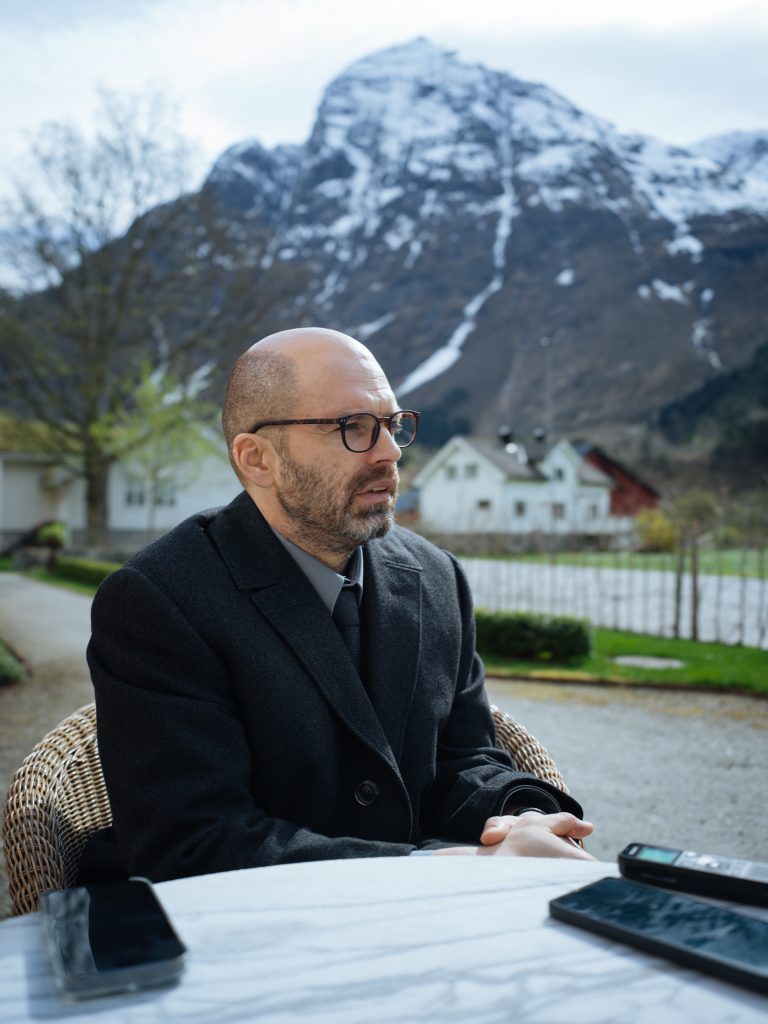
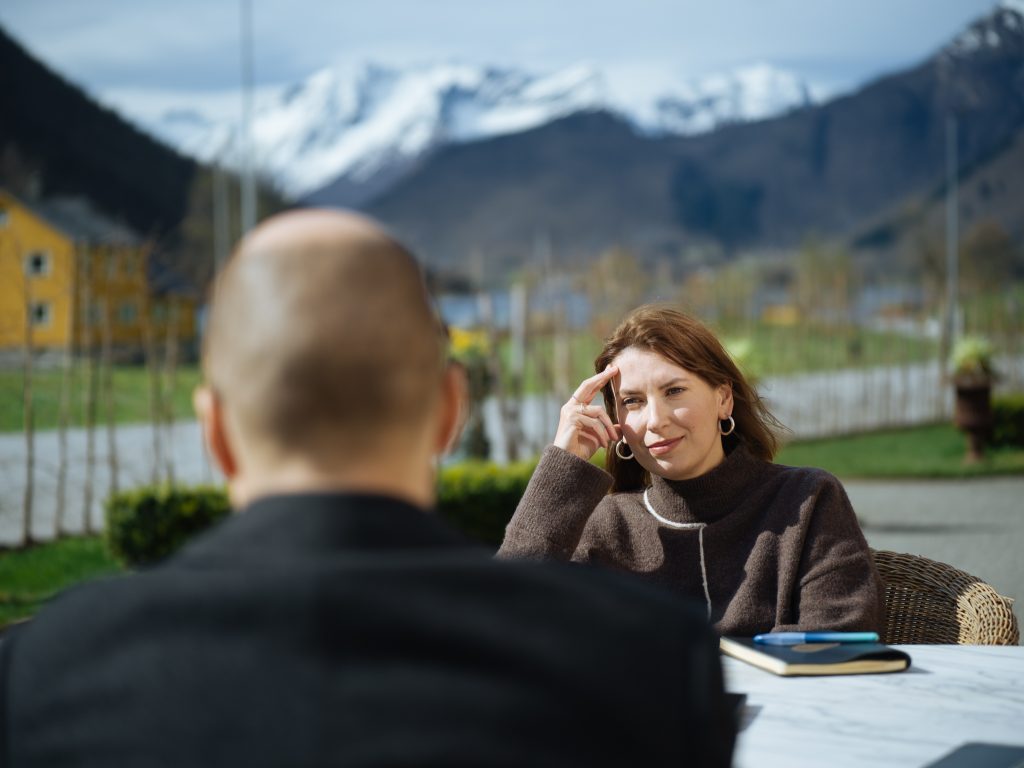
The interview took place in Norway, in April 2025, during a filming break. Sebastian chose to speak in Romanian, though at times some ideas were expressed in English.The material also features the first images of Sebastian Stan on the Fjord film set, captured by photographer Adi Bulboacă for Cultura la dubă.
***
“Sebastian, we’re in Norway, close to the end of filming on Fjord. First of all, how are you, how do you feel here?
I can’t even believe we only have two weeks left and we’re done. It’s a bit strange here, you’re in a different state. After so much time spent here, in isolation, among these wild mountains, it’s like you no longer know whether the thoughts that pass through your mind truly belong to you or to the character.
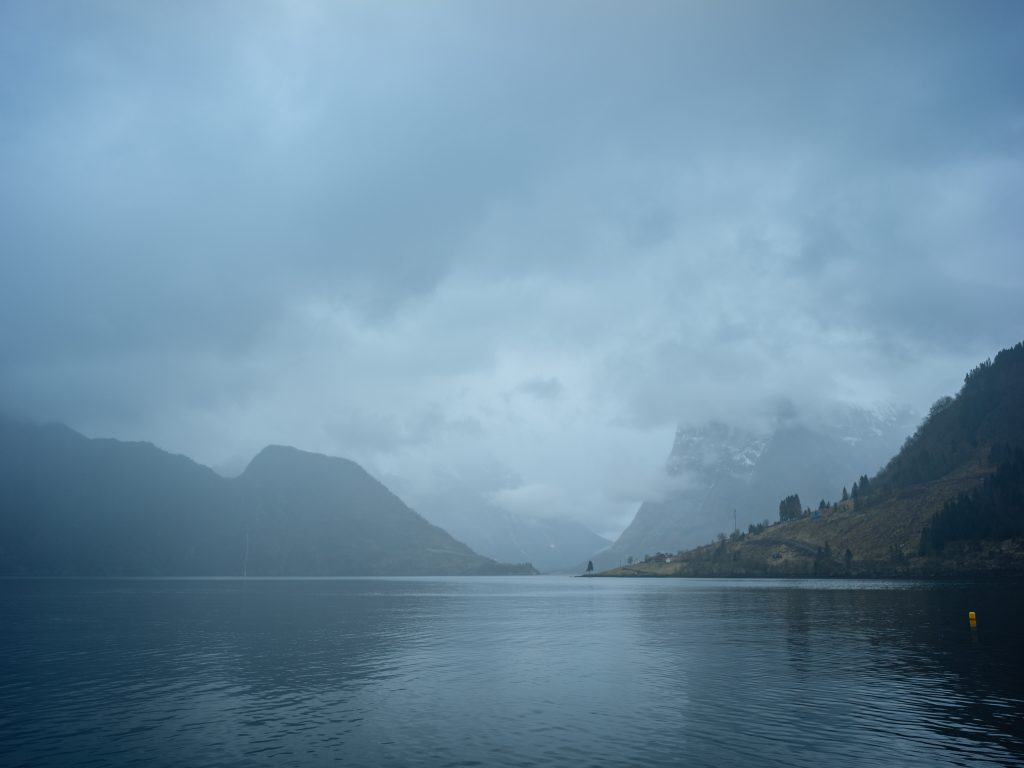
Probably this very austerity of the landscape was perfect for me, it helped me disconnect from anything else and sink into a completely different world, one that feels almost timeless.
Being in this location helped us a lot to understand what life would be like here for this family in the film, what each character’s world would look like. It really is a space where the boundaries between you and the role gradually blur, which is wonderful, right?
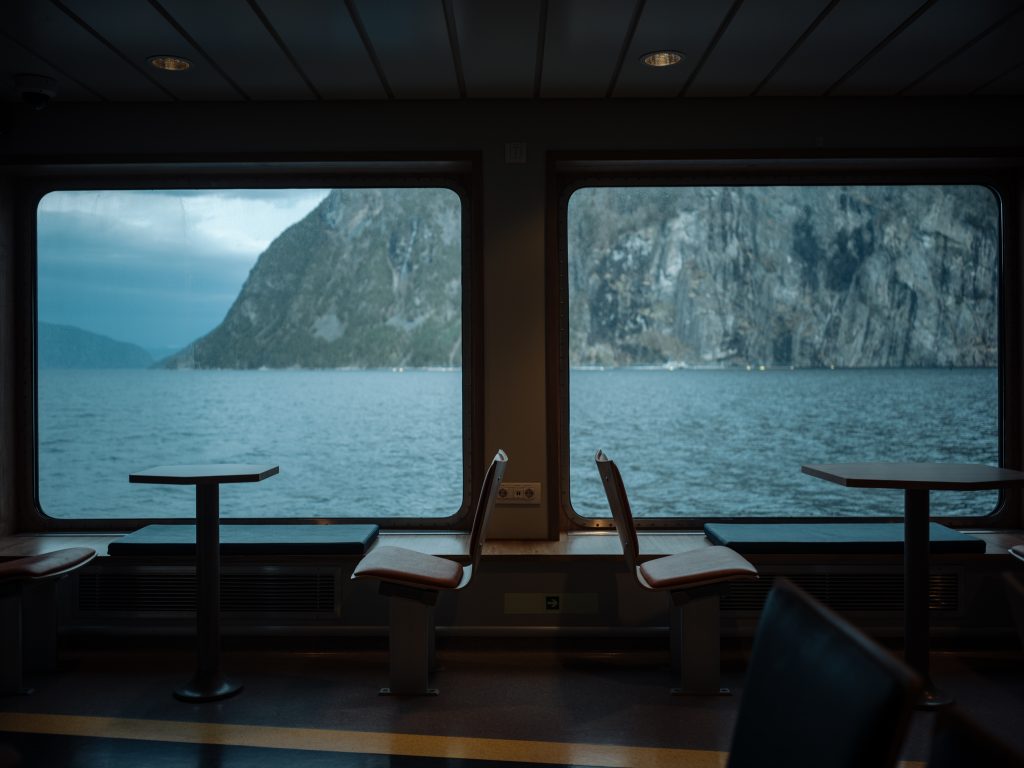
Before I left, I didn’t really have time to think about what it would be like here from an objective perspective, being a totally new experience, after all, it’s my first film with a crew made up of so many Romanians.
What made you accept this project and work with Cristian Mungiu?
I’ve wanted for a long time to collaborate with Cristian. If I look at the last few years, I can say I’ve become more and more dependent on directors and on stories that allow me to go into the character’s depth.
I like to discover in myself and in the character something unexpected, maybe even frightening, that kind of fear that pushes you to dig deeper.
That inner fear, of not being fully prepared or of failing in front of a new nuance, of a character foreign to me, is what I’m looking for, I think it’s what makes me grow as an actor.
I have admired Cristian since I saw his first film. We met a few years ago and kept trying to find a project to work on together. In the end, we found this one and I’m grateful it came together.
You have lived most of your life outside Romania and you’ve already had extraordinary film projects in your career. How can you explain this desire of yours, to have not only a personal connection to the country where you were born, but also a professional, artistic one? How and when did this desire or need appear and what lies, in its depth?
Romania is the place where I was born and where part of what I am today was formed. And yes, for a long time I wanted to get involved in a Romanian cinematic project.
My first project with the Romanian film industry isn’t this one, Fjord, but the film directed by Andreea Borțun, “Malul Vânăt” (A River’s Gaze), where I got involved as a producer and financier. It made me very happy that I had this opportunity to be part of, to support a project by a young director, at the beginning of her journey, on her first feature film.
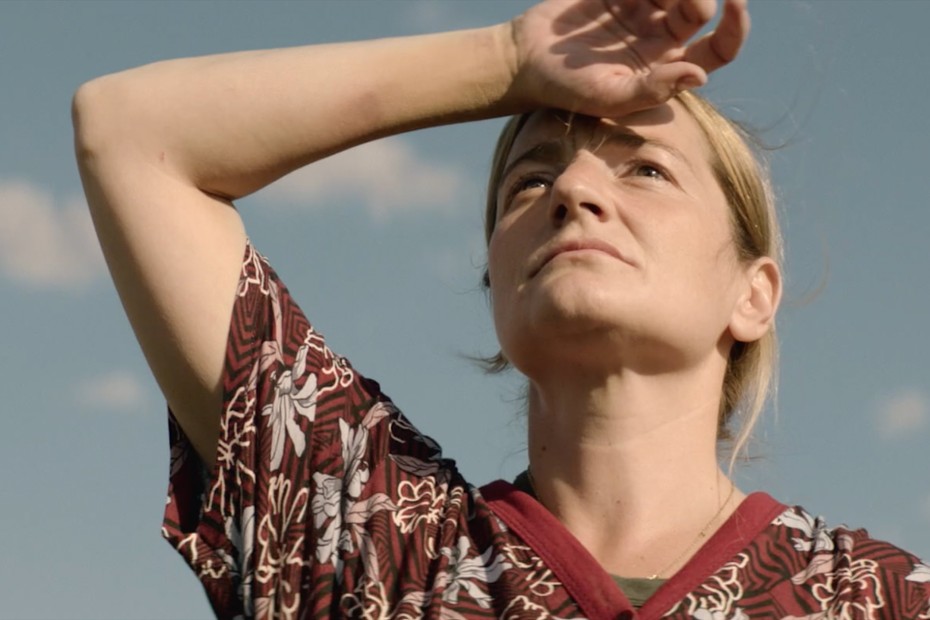
I think it’s very important, if we can, to support such new voices. Often great careers are born from these first steps. Think of Martin Scorsese, who debuted with Who’s That Knocking at My Door (1967) thanks to the support of producer Roger Corman, opening the road toward masterpieces like Taxi Driver later. I won’t say that my support was just as decisive, just as important, but I tried to be there for her in this effort as much as I could.
My roots are there, even if I left at only 8, and my first return was only at 21. That long break made the return not just physical, but much more revealing, I could even call it spiritual.
I needed to mature, to gather experiences and, most of all, to cultivate my curiosity and my desire to better understand where I come from. This rediscovery influenced me a lot from the start of my career, realizing that my place of origin and the traits that set me apart are, in fact, parts that define me and support me in life – after a large part of childhood I only wanted to fit in and be like the others.
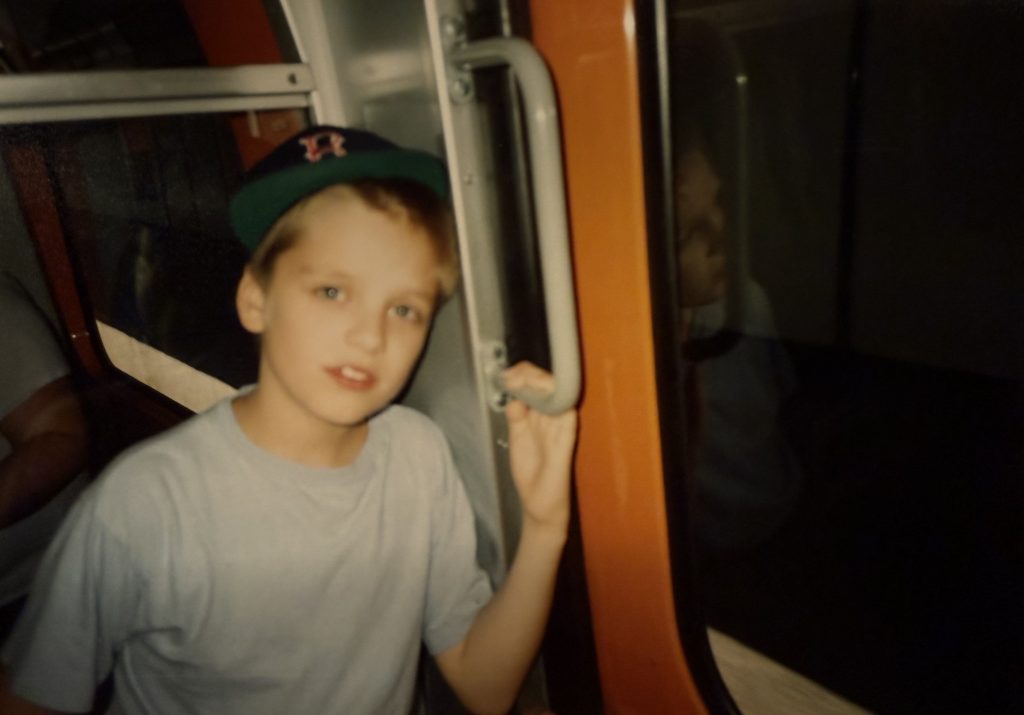
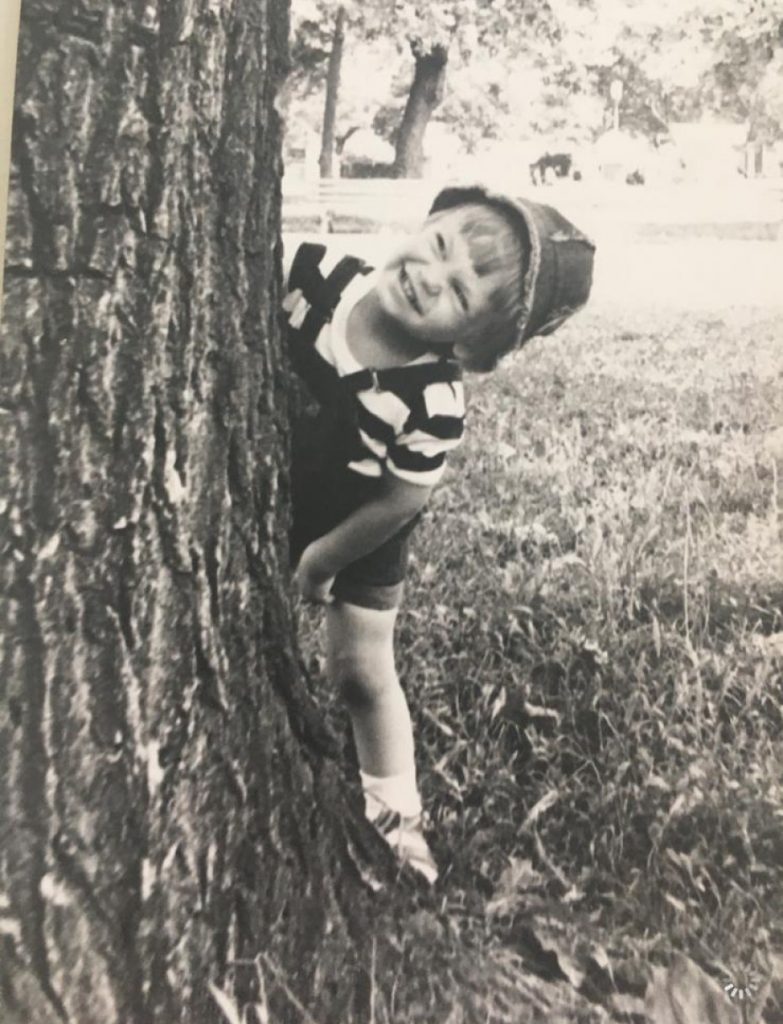
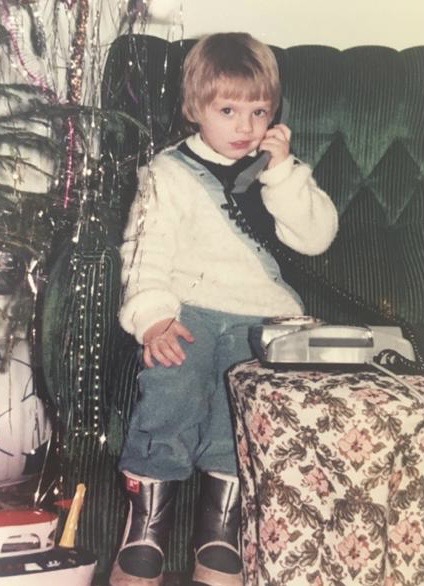
Sebastian Stan in USA, New York/ photo: personal archive, through the courtesy of the actor
Being different societies I had to adapt to (n.r. Austria, USA), it’s probably natural to want to belong.
With age, you realize that uniqueness doesn’t come from what you share with others, but precisely from those qualities and experiences that shape your own identity and challenge you to build a path of your own. Our differences and particularities are, in the end, what give us an original perspective on the world and allow us to live detached from norms, in accord with who we truly are.
This matters enormously, especially in the film industry, where, as an actor, everything starts from how you find your voice.
I think success also depends on the power to express yourself honestly, which often comes from your own roots, feelings, and life experiences. That is exactly what stands behind the ability to understand the depth of characters and stories I was talking about earlier, but also of the people you work with, each with their unique history. That richness makes the performance alive, relevant.
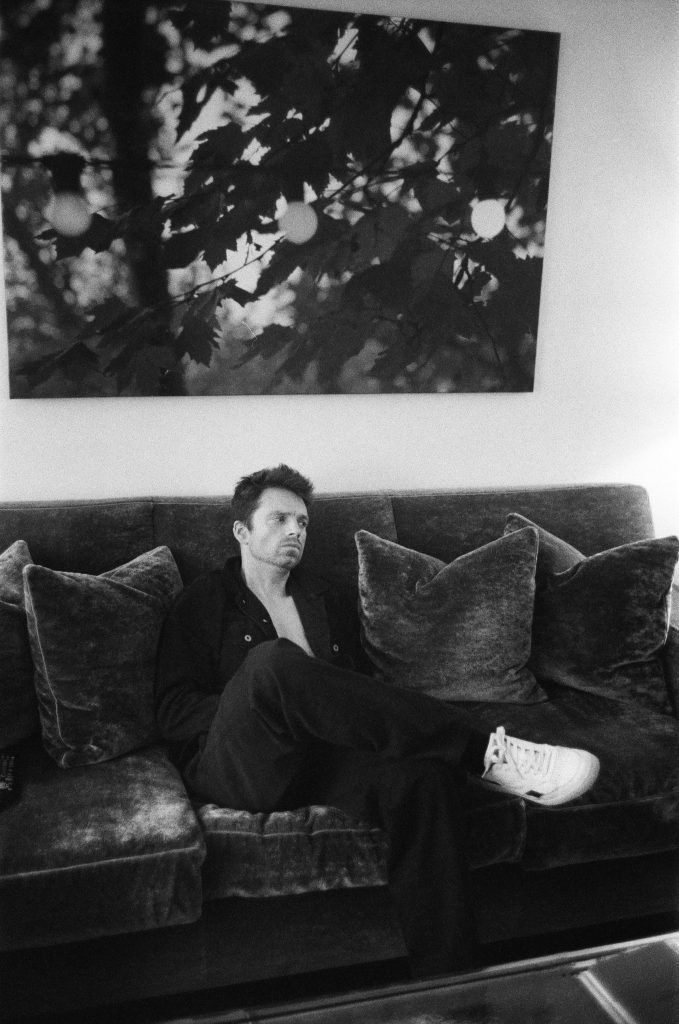
These thoughts have always followed me and made me want more and more to return to the place I left, a place that appears to me in some bizarre memories from the Revolution of 1989, but especially in those with my grandparents, family, friends from back then, with how “the grown-ups” related to each other and to the social and political situation of those times.
All of that took shape around 2003, when I met a Romanian woman, Alexandra Tînjală, who later became my friend.
I was in England with my acting classmates from America, from Rutgers – where I was going to college. She was friends with someone in my class and that friend said: hey, you’re Romanian, she’s Romanian, talk. I, until then, had no contact in Romania anymore. I hadn’t kept in touch with the kids I played with in childhood. My grandparents, poor souls, had died. I had nobody anymore. We were all gone.
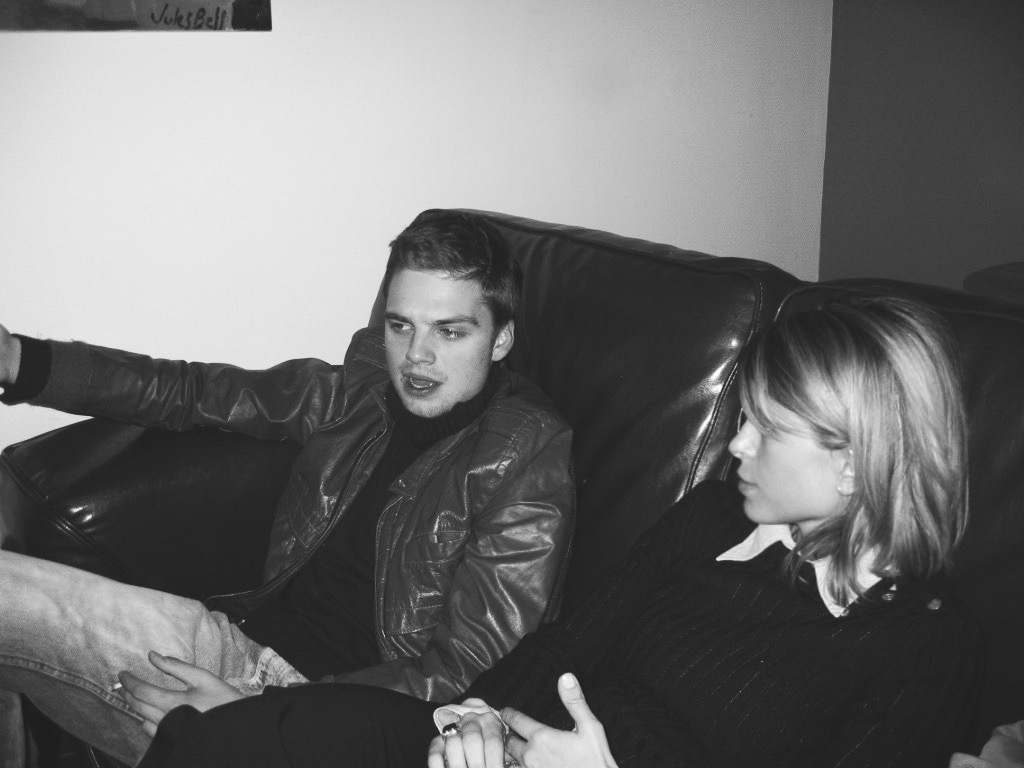
And because of Alexandra I began to rediscover Romania, Romanian cinema, Romanian directors. She introduced me to the Romanian new wave – Cristi Puiu, Porumboiu, Mungiu, then to Radu Jude’s films and other Romanian directors. She sent me films: “The Death of Mr. Lăzărescu”, “4 months, 3 weeks and 2 days”, “12:08 East of Bucharest” – which remains one of my favorite films, and many others.
I remember that around 2008 she brought me a DVD with Cristian’s film “4 Months, 3 Weeks and 2 Days”, which she had gotten his autograph on. I’m really curious if I can still find it at home. That would be something!
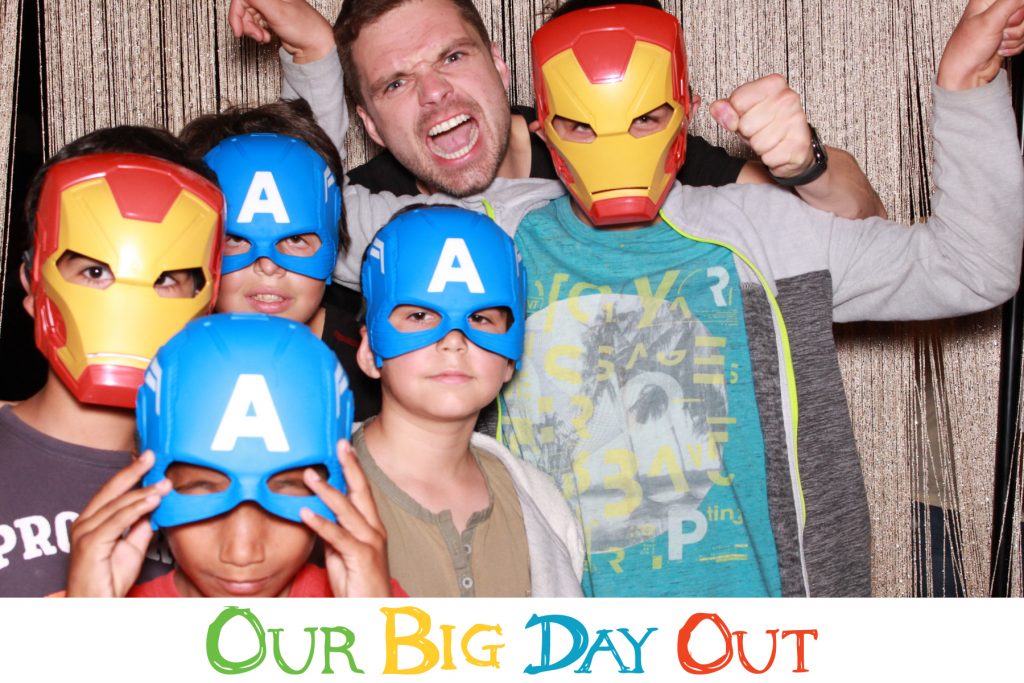
Then I started to get involved in Alexandra’s volunteer program, Our Big Day Out, as a volunteer, which targets children in placement institutions and disadvantaged people. Alexandra is also a volunteer of the NGO The Alex Fund, founded by Leslie Hawke (n.r. Ethan Hawke’s mother).
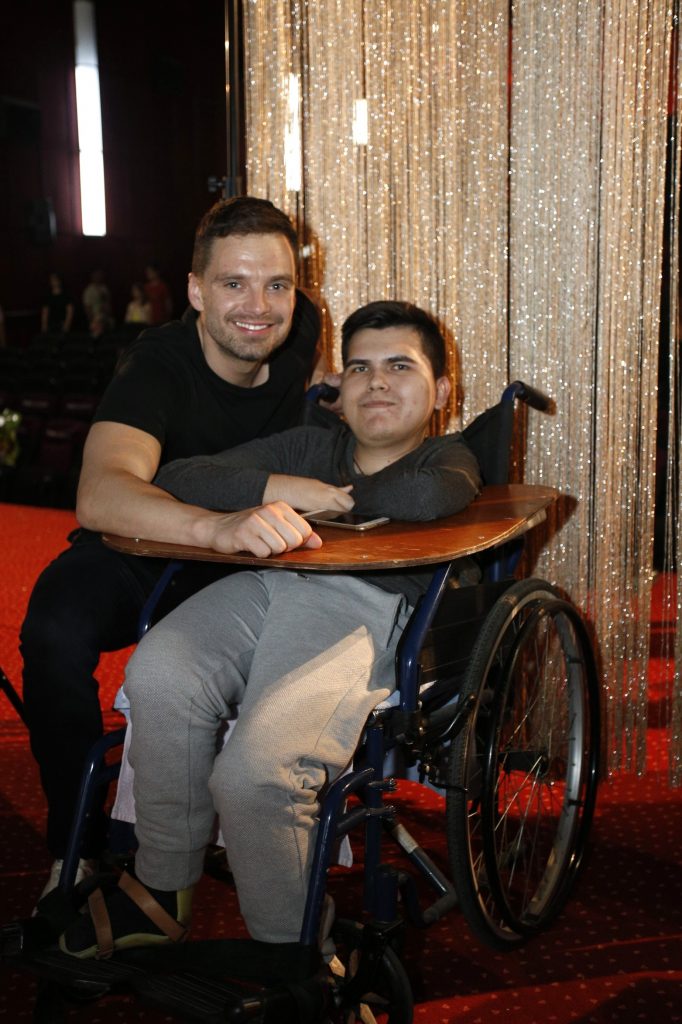
They, this NGO, The Alex Fund, had an event at Lincoln Center, in New York – the screening of Cristian Mungiu’s film, Graduation. And Alexandra invited me to this screening, a perfect occasion to meet Cristian Mungiu, especially since I lived in New York.
So I took my mom with me, and at this event I met Cristian for the first time. I don’t think he knew anything about me then. It was happening around 2016, I think.
How did your relationship develop after that moment? Did you keep in touch?
Until 2018 I didn’t hear anything from him, but in 2018 Alexandra suggested that he invite me to the American Independent Film Festival, in Bucharest. There I was invited with the film “I, Tonya”, in which I had just acted. In that same week I also met Corneliu Porumboiu, whose fan I already was for a good few years. And only from then on can I say I kept in touch more often both with Cristian and with Corneliu.
You said earlier that you had several attempts to work together, but only now you matched. Do you feel this collaboration with a Romanian director came at exactly the right moment in your career?
Yes, now, after more than 20-something years in this business (it’s very interesting to hear myself saying that), I realized much more that, surprisingly, you can’t control everything, no matter how much you want to.
You always want to work with certain directors, to get specific roles, but for me all the important films, from “The Apprentice” and “I, Tonya”, “A different man” and now, “Fjord”, came exactly when I wasn’t expecting it.
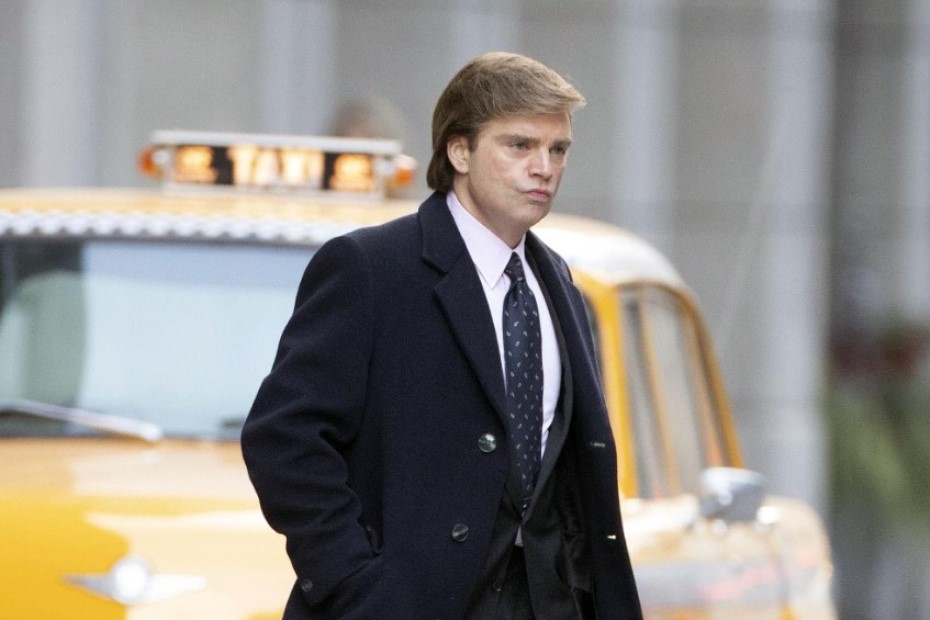
It was as if I let myself be carried by the wave, as if I raised my hands in the air and said: you know what? If it’s meant to be, it’s going to happen, if not, not. And right then, letting things flow naturally, everything came together.
And I feel extremely lucky that ‘Fjord’ came together. We were talking about it back in the summer of 2024 and I still wasn’t sure if we would do it in December or January, but in the end, here we are, it happened now, in spring. And yes, it feels like it was meant to be that way.
I had also talked with Cristian about R.M.N. We tried then too to see if that film could suit me, but we didn’t synchronize.
And I think, in the end, Fjord is much more suitable for us.
What is it like to work with him? Did you get used quickly to his style on set, with long takes, with many takes?
It’s fascinating to work with a director who has such a personal and meticulous style. What I like most in this job is that every director comes with their own methods.
For me, the first rehearsal, that moment when the door opens toward the director’s vision and universe, is one of the most interesting moments of this career.
Sebastian Stan
It’s somehow a moment that never stops exciting me. As an actor you have to always be open to absorb something new from each project – what worked in one film doesn’t necessarily mean it will work in the next.
Also, I don’t like to play the same thing all the time, it becomes boring.
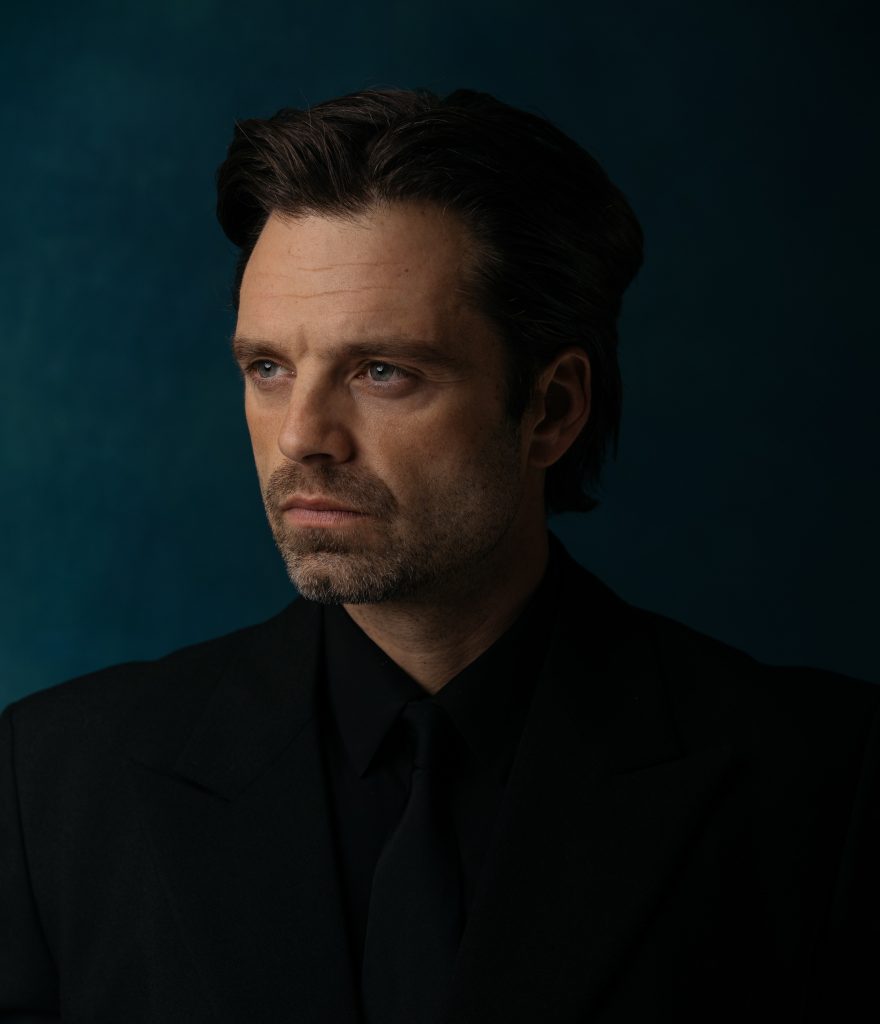
This very instability makes a creative career feel alive. Somehow it forces you to reinvent yourself constantly, to discover all kinds of unsuspected resources in you, especially with a director who reconstructs reality down to the millimeter. I admit (laughs), I need someone to guide me. I think trust in directors is crucial.
Since I saw his first films I noticed his unmistakable style: each scene is kept as a long sequence, sometimes 20 minutes, and sometimes with a hundred people involved. And you watch those sequences and you feel like you’re watching a documentary – the actors don’t seem to act a role, they seem to live the story. I think that’s how the situation becomes very real, believable.
But I didn’t know how much he works on what we see, how attentive he is to every detail.

For example, he worries down to the millimeter how a child sits in a corner or how a flag flutters, everything is thought through meticulously to create impeccable visual authenticity.
After seeing all these things, I look at him now more as a complex artist, almost like a painter. You can stop his films on any frame and look at it like a work of art. And I don’t think that’s accidental. He has an extraordinary eye for detail, which gives his films a rare aesthetic level. It seems to me it’s very difficult to achieve something like that and that’s why it amazes me, I keep asking myself “how did he manage to think up this whole universe?”
And there’s one more interesting thing about Cristian, he is extremely attentive to how we react in real life, and when he says action, he knows exactly when something sounds false, melodramatic or gratuitous.
Sebastian Stan
For me, all these things were very motivating and pushed me daily to want to rise to the level of the universe he creates in his films.
The big difference between American films and European ones is that in many American films you often feel you’re being told how to feel, like someone is spoon-feeding you. Whereas in European films, you’re shown a situation, and you, as a viewer, are the one who draws conclusions, you decide how to feel, how to interpret the characters and the story.

It’s a much more creative and artistic approach and, in my view, that’s the impact film should have on the public. That’s life, after all, there isn’t only black or white, nobody is only good or only bad, we all try every day to live and make peace with our decisions, aware that we are subject to mistakes and nobody is perfect.
Coming back to working with Cristian, shooting a sequence 20–30 times is a huge challenge, something happens. It’s also a very heavy subject, it contains some very emotional scenes. To try to hold those emotions, as an actor, for that long time, every time, 20–30 times, is not easy at all.
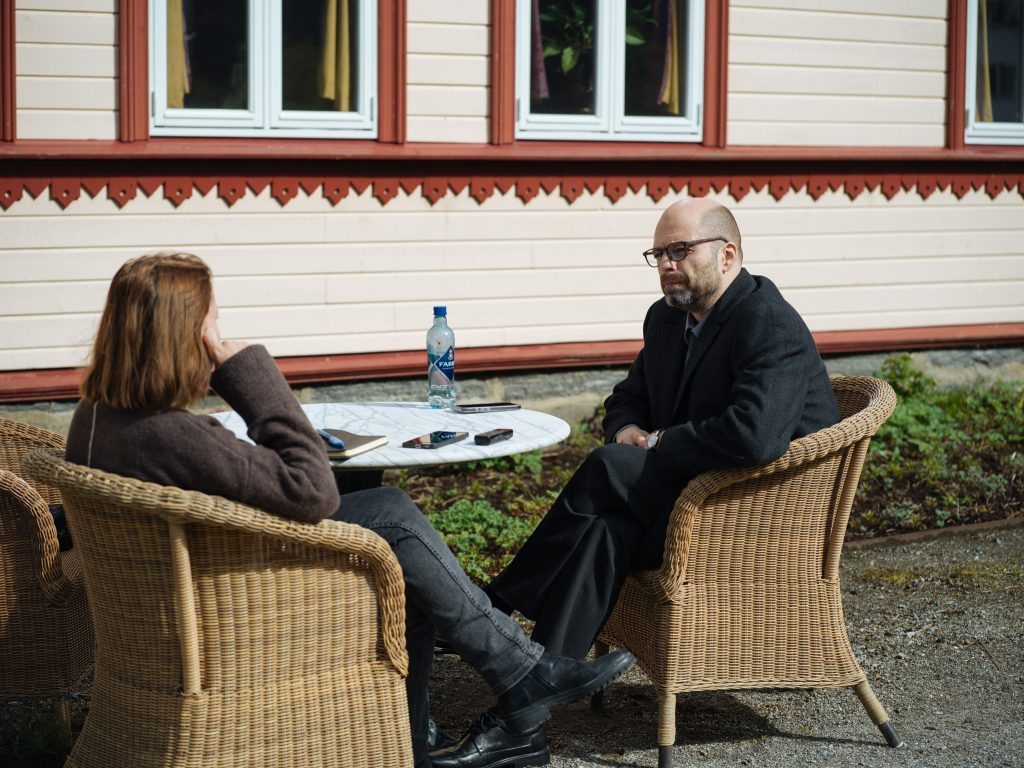
You can feel you entered that state perfectly at take five, but maybe the other actors didn’t hit it. Everything has to be synchronized impeccably.
Sometimes what feels authentic to you on set, in the edit or even on screen can look false.
Sebastian Stan
In a way, this style of filming resembles staging a theater play: you do daily rehearsals, you have shows a few times a week, you have to keep the rhythm and intensity, but still find new nuances in the same structure, even if you repeat the same text or scene.
It’s fascinating to go again and again toward that emotional state trying to improve it each time, not to repeat it, but to outdo yourself.
For this role, you needed to radically change your look. How did you reach an agreement about that? Was it hard for you to do?
I don’t think it was hard, especially after the experiences with the series Pam & Tommy, where I lost over 9 kilograms, or for the role in The Apprentice, where I gained about the same.
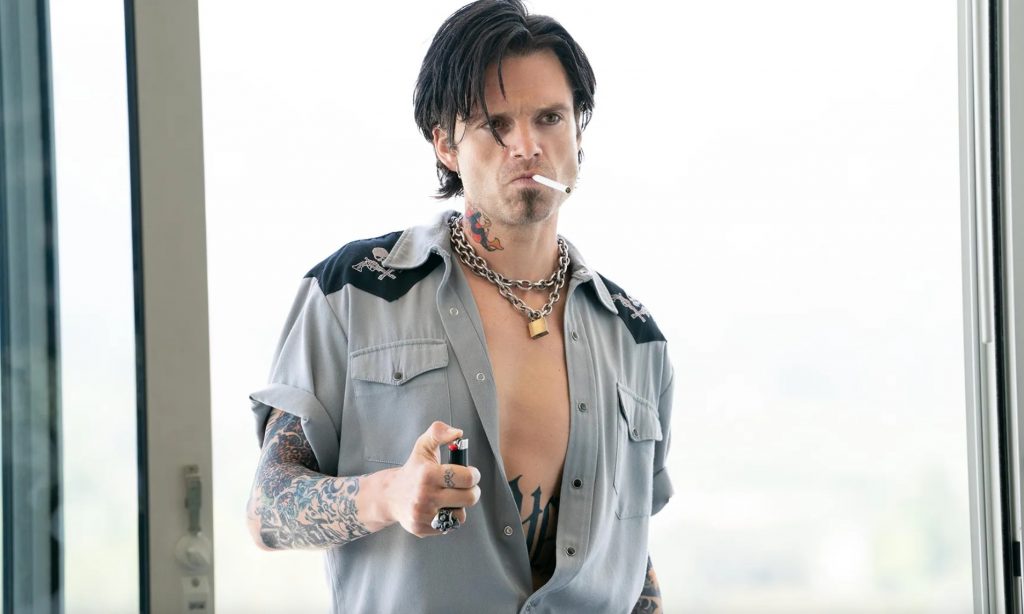
I think adapting the look helps enormously and brings authenticity to the character. Not only in what the public sees, but in how I relate, as an actor, to the character: you behave differently, you move differently, mannerisms change, certain instincts seem to adapt automatically. The closer you are to the character’s physicality, the closer you get to him.
I don’t see changing the look as something hard, but rather necessary if the character demands it. If you go to work knowing exactly how it will be, you have nowhere to move forward, and in the long run you only lose.
As I said, to me, discomfort, fear and the unknown are crucial in the projects I get involved in. To me, they are the basis of creative freedom and evolution.
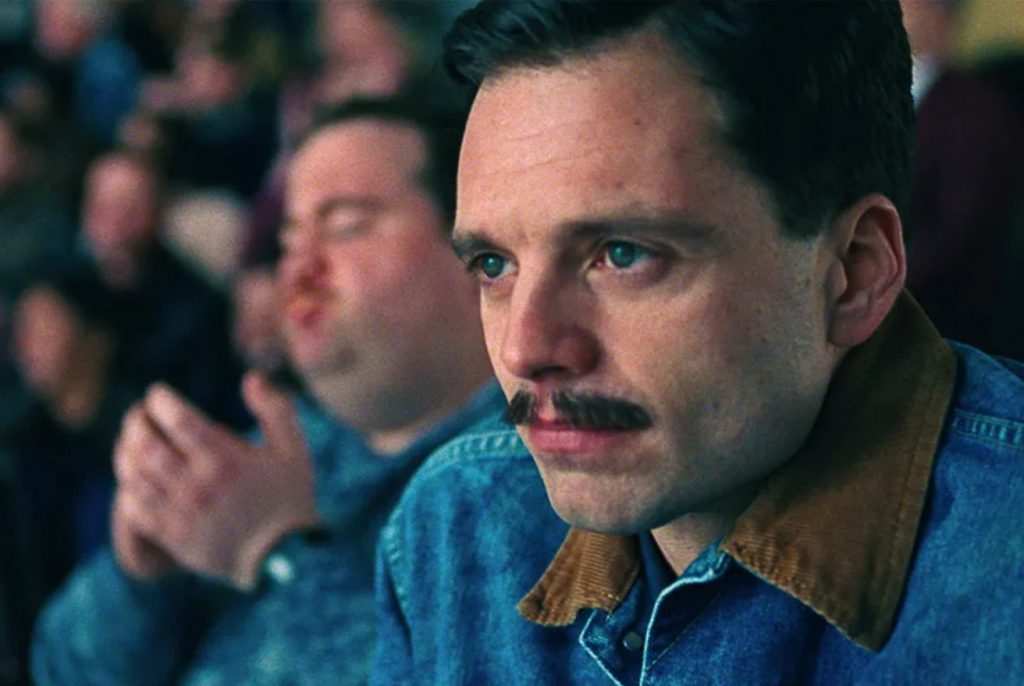
Do you feel this collaboration gave you a new perspective on Romania, not only with Cristian, but with the whole Romanian crew? You spent a lot of time with them, I don’t know if you’ve ever spent so much time with so many Romanians in one place.
Yes, I spoke with my mom on the phone a few days ago and she told me my Romanian is much better since I came here.

To be able to speak Romanian for so long has been nice and very good. Still, for me, the relationship with Romania is a process that is still developing and it will take some time until I reach all the layers I want. There are still many directors and people in the Romanian industry I want to work with. (n.r. Radu Jude told Cultura la Dubă in an interview that he will make a film with Sebastian Stan).
There is certainly a Romanian style and it’s hard for me to describe it in words. It’s a particular feeling, a mix of humor that I used to know and now I’m remembering.
Sebastian Stan
Romanians have an expansive way of speaking, full of gestures, on one side they’re very warm-hearted, on the other, very stubborn. I laughed a lot with them and I liked feeling that energy, which, yes, feels very familiar to me.
For example, when I filmed a sequence with Alin Panc, I could barely stop myself from laughing – he had a way of being that made me collapse laughing with just a look! And Adrian Titieni, whom I had seen in the film Graduation, where he was outstanding, is an incredible actor. I was deeply impressed by his presence and professionalism and I’m very grateful to work with him, but also with the rest of the Romanian team.
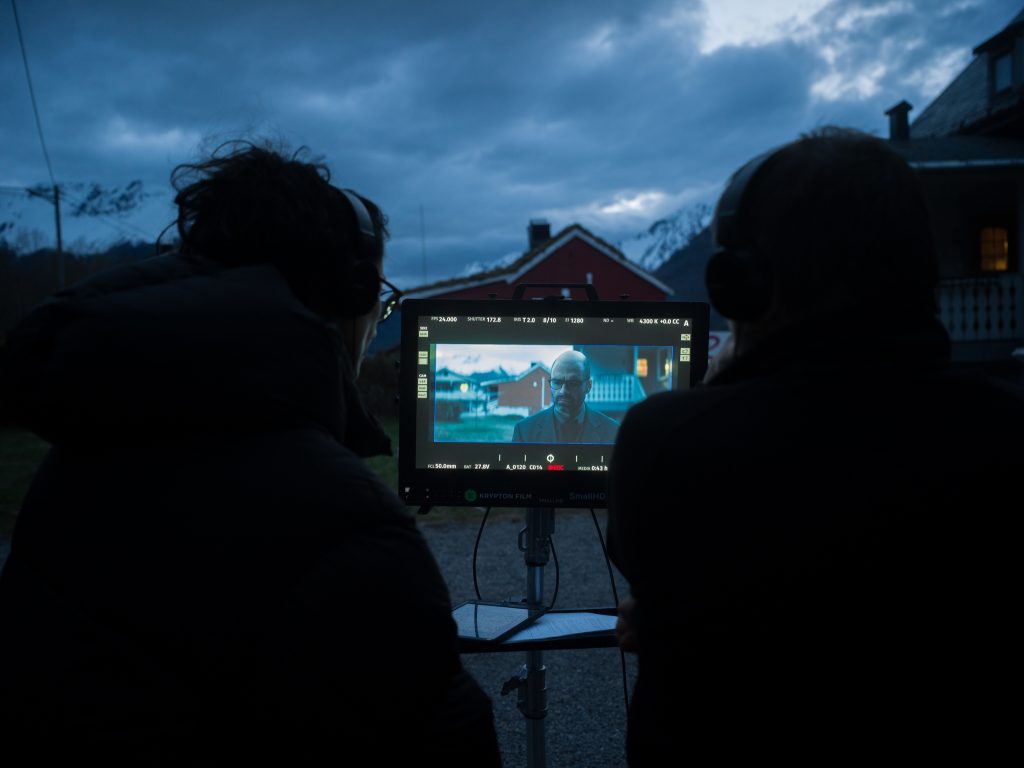
Honestly, I was a bit scared to be with them on set, I had to find my Romanian again, I still have the accent I have, I wanted to speak as well as possible, to be as authentic as someone who left Romania after much less time than I left.
Well, they are 100% Romanian actors, with deep roots in the culture and the subtleties of expression, which, yes, intimidated me a bit at first. But precisely these differences created a special chemistry both on set and between us. It was and remains a tremendous experience for me!
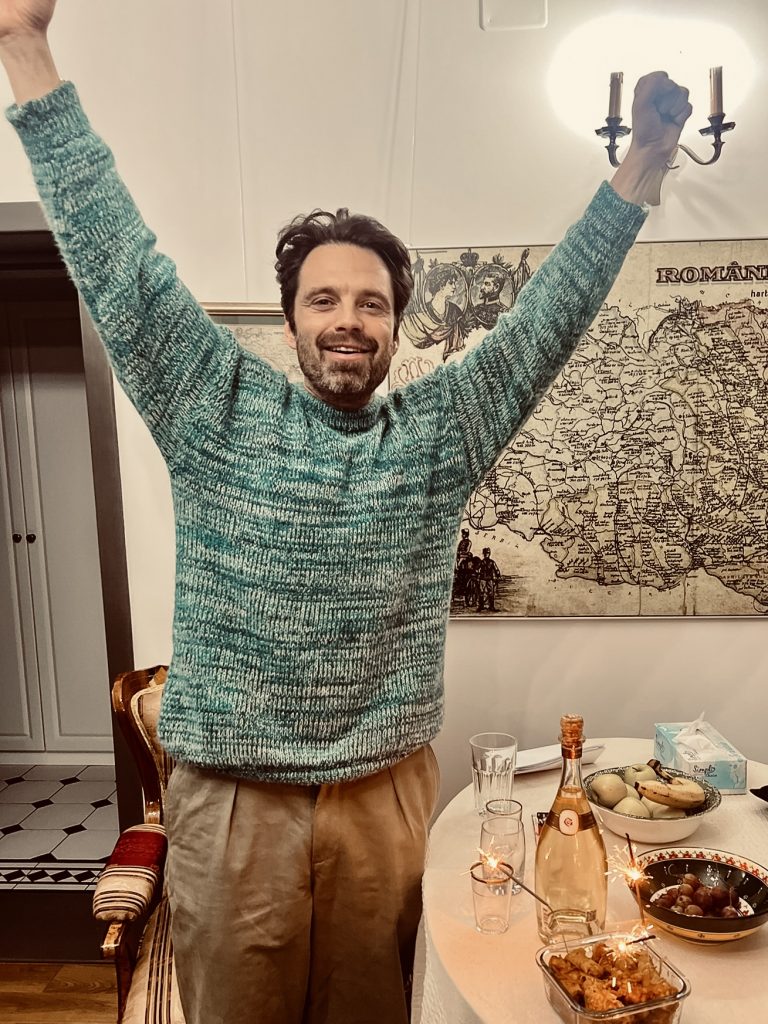
But do you think that, beyond professional collaboration, our tendency to reconnect with our roots as we get older, to rediscover the stories lived by our grandparents, is actually about a personal need to truly know our identity? It’s like we see these things differently close to 40. How is it for you?
It’s exactly as you said. When you reach 42 (laughs), as I am, you think very differently. Especially when you lose people in your life.
When my father died, in 2021, a lot changed for me. Such an event completely changes how you see life, where you come from, what happened, what the history is, what the roots are, what made you, how it made you, etc.
And I go back again to what we discussed earlier: it’s not just about getting close to the roots or knowing them, but also understanding them and the compassion you must show so you don’t alienate yourself from them, no matter how shaky they may seem at times.
My father died, unfortunately, in a hospital in Romania.
Those days when he struggled for life, in his native country, in a place he had left long ago and only returned to visit, are still very hard for me to describe.
The states I went through then, the anger I felt toward this system that seemed torn from old stories about Romania, the helplessness in front of illness, but especially in front of the way this system works, the lack of transparency, communication barriers and the lack of empathy of the doctors for the patients or their relatives, I admit, all of that marked me.
I kept trying to understand how you cope with such a mechanism, especially since we’re talking about the medical system.
And when I read this script, I felt this parallel: losing my father in the twists of Romanian medical bureaucracy, the helplessness probably shared by many Romanians who lose their parents like this, resembles strikingly the tensions in Mungiu’s Fjord – the family broken by distance, the cultural values in conflict, and the mute fight to keep what remains of humanity in front of a cold, impersonal mechanism.
America had a big influence on me, because I grew up there. I feel very lucky that I had the opportunity to leave when I could, that I had my mom, who fought very hard so we could leave after the Revolution, to have other chances.
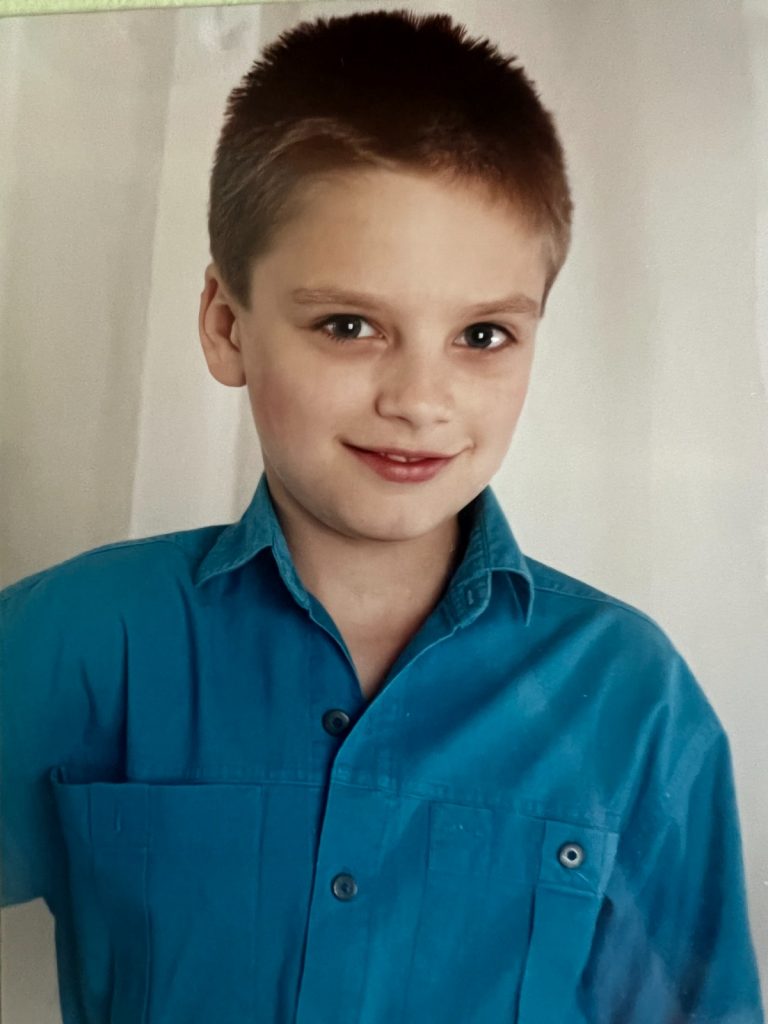
But I also feel this leaving as a kind of guilt. You sit and think that not many had these opportunities.
And you keep thinking what it would have been like if we hadn’t left, if we had stayed there. Or if we left and never returned, if I had lost Romanian completely. At this age you think about all that, you can’t help it.
In the end, you have to accept. This was your road. The only way. But you have to acknowledge all of it: the luck and the guilt and where you headed, but also where you came from.
And the work.
Yes! And the work. I tried to do something with this opportunity and sometimes I can’t even believe we are here and talking about this now.
Still, when you lose a parent, when you think about children, about how fast this life passes, you look beyond yourself. You sit and ask: what can you still say and do? What do you do with this platform you built, that you have?
This is my journey. Through the films I make and the profession I chose I want to contribute in a way that is beyond me, that surpasses personal ego.
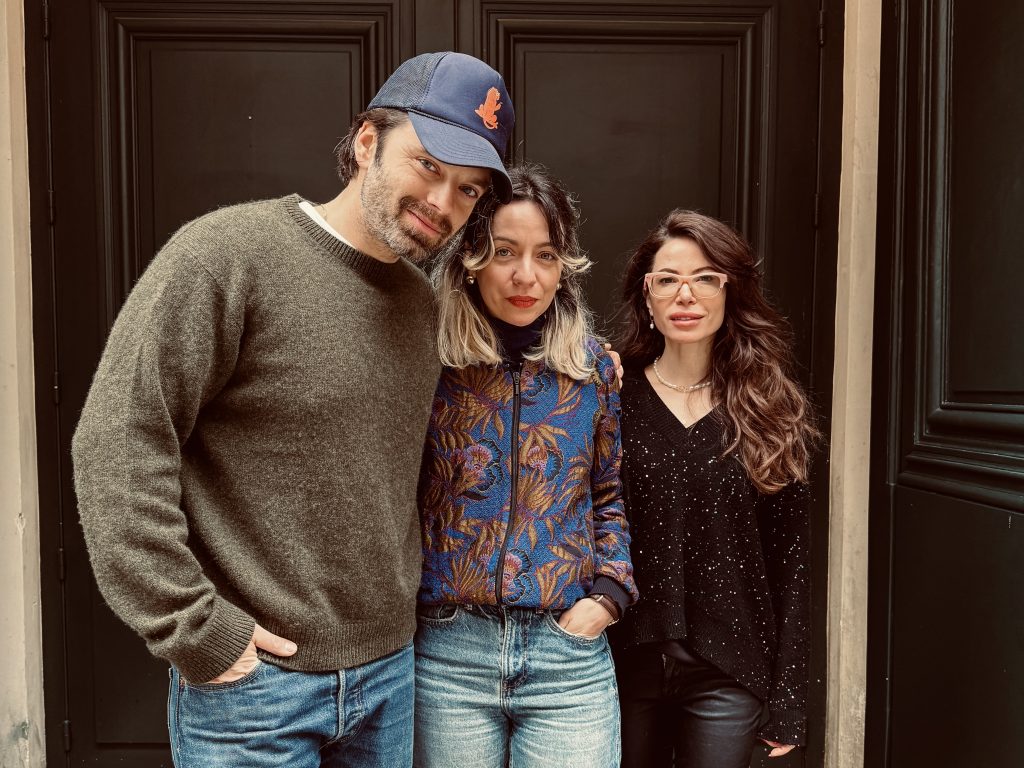
That’s why I got involved in Alexandra’s volunteer project, Our Big Day Out, and in Andreea Borțun’s film (n.r. “Malul Vânăt / A River’s Gaze), because there are many women directors in Romania who have something to say.
And she had a story somewhat similar to my story with my mother, there are some small parallels there. And not only that drew me to this project, but also the way it was made: the preparation meant six years of research in rural areas, the filming stretched across four seasons, something quite rare for a fiction feature.
Over 60% of the cast are non-professionals from the regions where filming took place, ordinary people who were given a real chance to play what they live day by day and not just anyhow, but in a feature film. Including one of the main actors, the boy, which I think was a brave bet for a debut director, not many take that on.
So yes, I try to find more ways to contribute, but at the same time remain who I am, not pretend anything other than what I am.
I’ll end with something I should have started with: congratulations on the Golden Globe and on the Oscar nomination! I don’t know if you realized it, but the moment of your speech caused strong emotions in Romania. Maybe some said: why do we claim him, Romania has no merit. But the truth is that for Romanians the success of a Romanian athlete or artist abroad brings a kind of joy they can’t get from anything else.
Thank you so much! I said on stage exactly what I felt. And regarding Romania, what I can say now is that in those years when I left, there was a lot of chaos for me.
When you’re a child, you keep trying to find your home. You live here, then you go there, then to another country. As I said, when you’re a child, you want to be like everyone else. But, in the end, those years made me. Without all that chaos, childhood in Romania, leaving for Austria, then America, all that built me and otherwise I wouldn’t be here.
I’m convinced that if I had been born in America and lived there all my life, I wouldn’t have ended up in the situation I’m in today.
Sebastian Stan
Maybe there are people who have an ok life, they have a whole family, nothing bad happened to them and they become geniuses, I don’t know, it’s possible. But every director I attached myself to, every writer, screenwriter, absolutely all have family stories, a childhood, situations that made them ask who they are, to discover what they are capable of.
Some traumas…
Exactly. Traumas either destroy you, or they give birth to you, or rebirth you.
And that’s your responsibility, to look at all parts of you, even the ones you don’t like, at the questions you’re afraid of, to see who you are, how you were made and then to ask: ok, now what do you want to do with that?
I understand maybe some look and say “he left, what the hell does he still have to say?”. But still, if I hadn’t had that moment there (n.r. at winning the Golden Globe), if I hadn’t said what I said…
I could have been on stage for an hour and still I wouldn’t have finished thanking everyone. You always dream of these moments, you think: if I get there, what will I say? In the end, that moment has to be “thank you!”. You don’t get there alone. You get there because hundreds of situations happened, for the people you met along the way and because you worked very hard.
That moment when you said, at the end, Romania, I love you, was it spontaneous or did you have it prepared? And why did you want to make that declaration toward Romania?
It was and it wasn’t spontaneous. It was first of all a message for my mother, or rather, from my mother, who always repeated to me: “You have to remember where you came from.” On the one hand, it represented her strength to leave with me, alone, our shared journey.
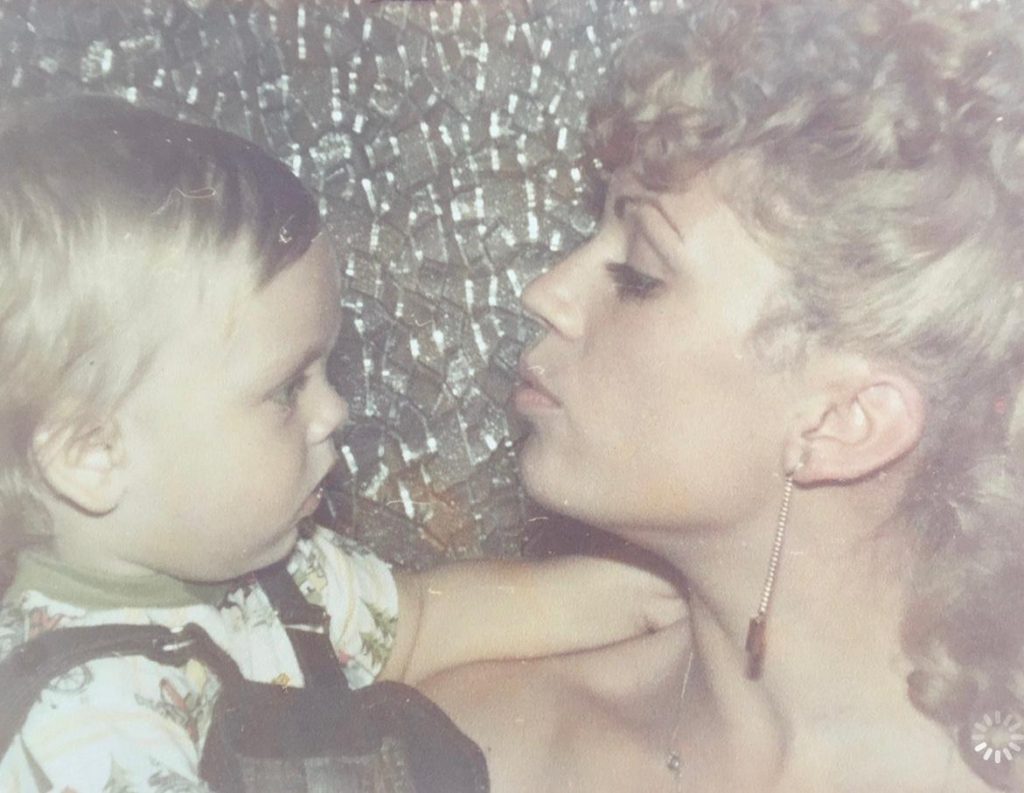
On the other hand, about the support of my stepfather, which was unconditional, and, equally, about my father and the relationship I had with him, about the moments spent together, where he brought to life dozens of stories from and about Romania, about Romanian music we listened to together, about the fact that I spoke with him only in Romanian – which created a very special intimacy between us, like an invisible thread only ours – and up to his own road, which wasn’t easy at all, but also about the stories about him discovered later from his friends, after I lost him.
From my point of view, it would have been inauthentic and unjustified not to say what I said.
I had to speak about our road, and our road – mine, my mother’s, my father’s – began there, in Romania.
Sebastian Stan
Of course throughout my career I thought about this moment, to be on stage and reflect on my path, on my origin, to thank everyone who contributed to this life. So, in a way, it wasn’t spontaneous – in reality, I wouldn’t have been there if I hadn’t had this road and this past, which begins and will always begin with Romania.
It was my way of recognizing where I come from, of showing my pride in my past, of fully accepting it, for my identity and for all the people who were with me and shaped me, from there, from the country where I was born.