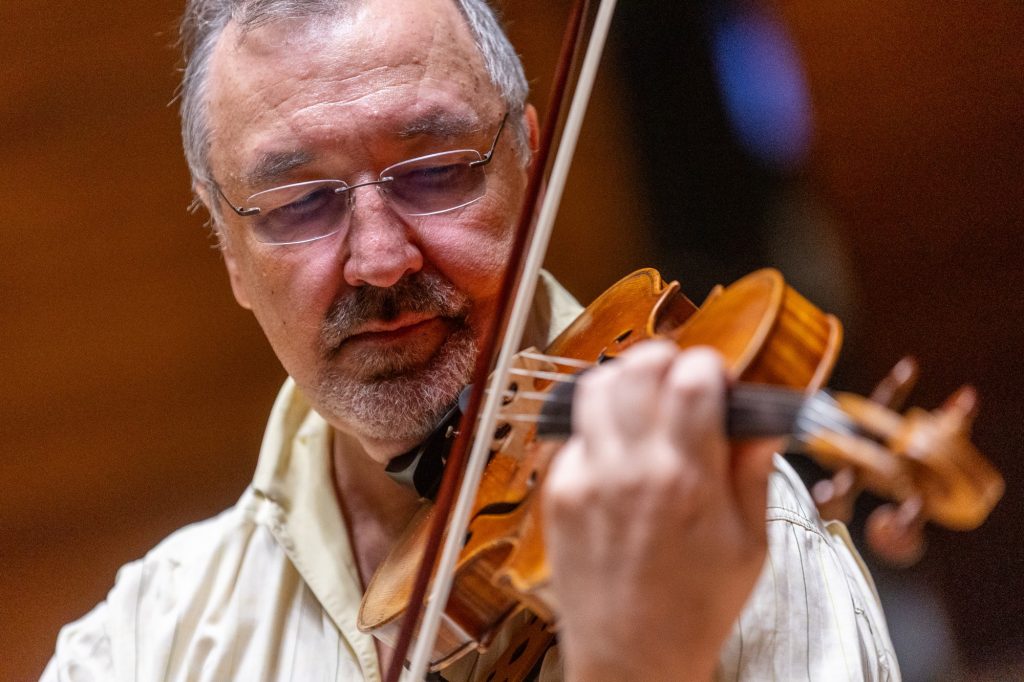
photo: Bogdan Iordache, Cultura la Dubă
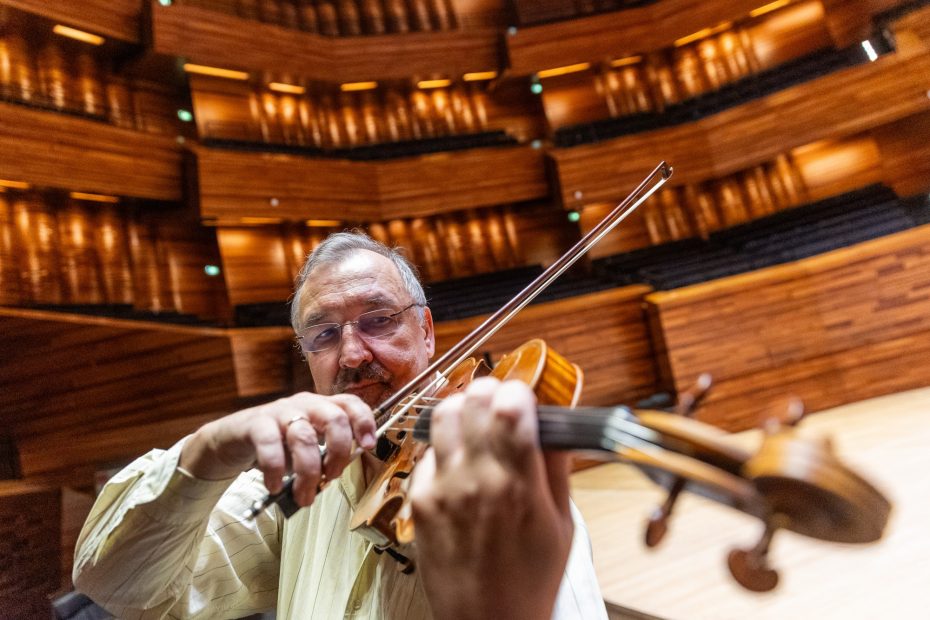
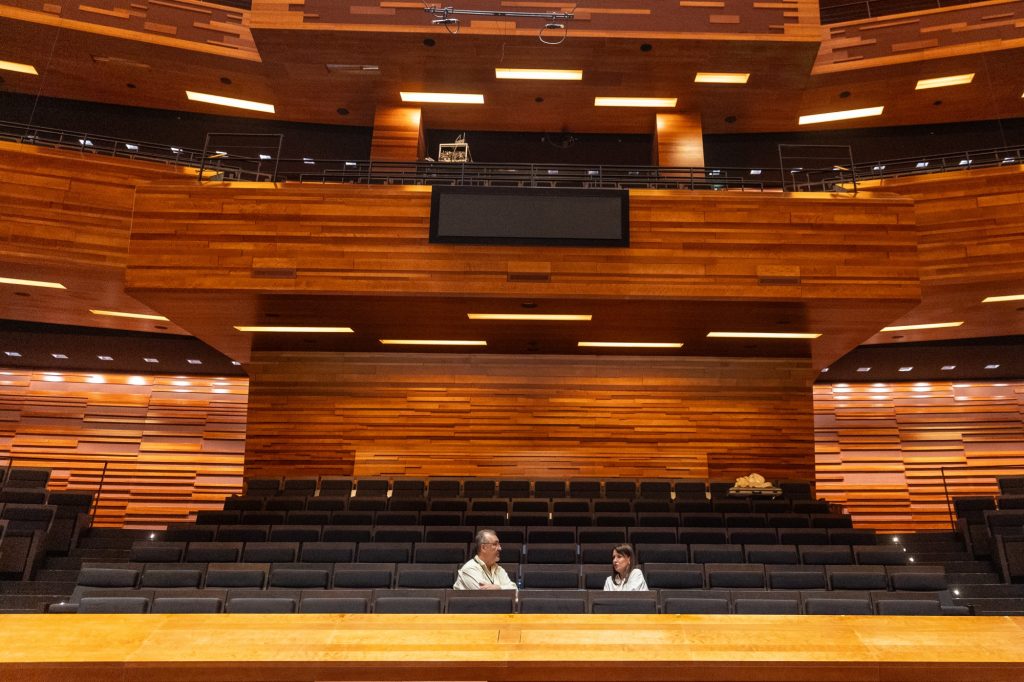
In the imposing Auditorium of Radio France, where the light falls discreetly over the warm wood of the stage and every sound fills the space with emotion, Teodor Coman carefully prepares his viola.
He is the principal violist of the National Orchestra of France, where he has been active for over three decades, a professor, chamber musician, and one of the Romanians who have built a remarkable career in France.
He has no magic recipes for a successful career. Instead, he speaks of practice, patience, and passion. He calls the connection between people “transmission.”
“We are on this planet to transmit,” he says. “Through the orchestra, through chamber music, through teaching. We shouldn’t keep the information to ourselves.”
***
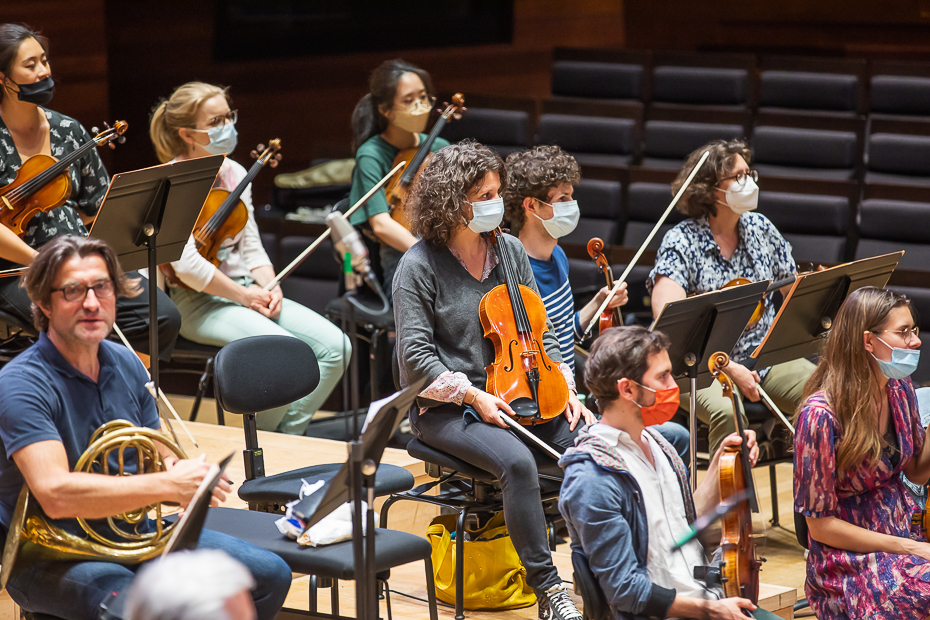
I met Teodor Coman on a Sunday afternoon at Radio France, at the end of a rehearsal. He is one of two Romanian musicians who are part of the National Orchestra of France, led by another Romanian: conductor and musical director Cristian Măcelaru.
He grew up in a family where music was present every day. His father was a violin teacher, and the house vibrated with music. From the age of 5 to 14, he also studied the violin, but felt that something was missing.
“I was looking for a deeper tone, a different vibration.”
He then switched to the viola, which represented not just a change of instrument, but the discovery of an identity.
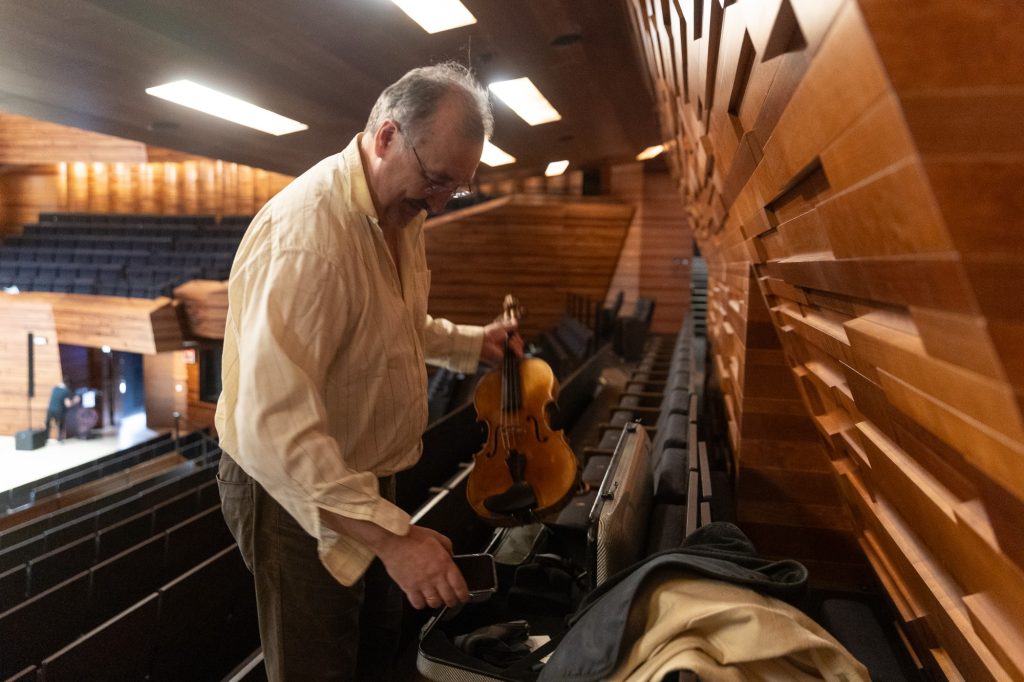
“The viola is between the cello and the violin, a sort of cement. I’ve always felt the same way in my relationships with people. I had this desire to cement relationships between them.”
In 1986, while still a student at the Conservatory in Bucharest, he won a prize at the Maurice Vieux International Competition in Lille. He could have stayed in the West back then and escaped the dictatorial regime in Romania. He even received two job offers, but turned them down.
“I wanted to finish the Conservatory,” he tells us now, referring to the Romanian school of music with admiration and respect.
He describes his years of study in Bucharest as fundamental to his artistic formation. That is precisely why he returned to Romania during a period when many musicians were choosing exile. The decision was to cost him, however: after his return, the communist authorities drastically restricted the ability of musicians to leave the country.
“The Securitate officer who was Elena Ceaușescu’s right-hand man, because she signed off on departures, wrote in a report that one in two Romanian musicians stays abroad. From that moment on, departures were over.”
The road to France would open up again in 1989, through a succession of events that he still views today as a series of providential coincidences. He first left for Greece, where he had been offered a teaching position in Thessaloniki, but because he received his visa too late, he found that his position had been filled in the meantime. So he called an acquaintance in Paris and managed to compete for and win a audition at the Orchestre National d’Île-de-France for the principal viola position. Five years later, he joined the prestigious Orchestre National de France (the National Orchestra of France), where he still plays today.
“Who was the principal conductor here at the Orchestra of France when you were hired?”
“Charles Dutoit. Over the years, I’ve known Charles Dutoit, Kurt Masur, Daniele Gatti, Emmanuel Krivine.”
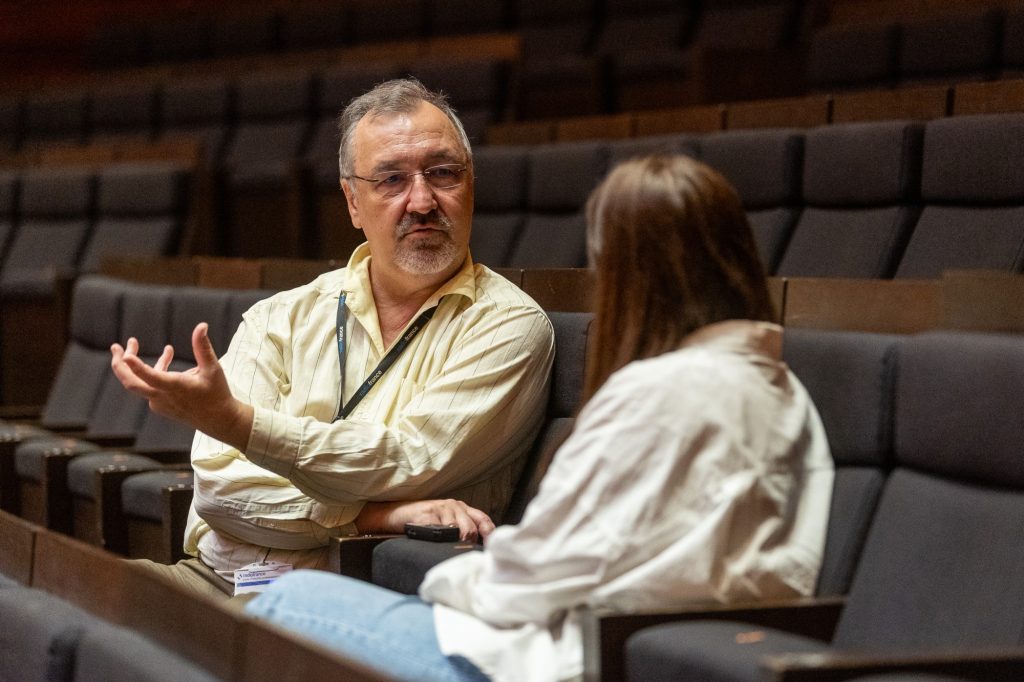
The 1989 Revolution caught him in Paris, but his wife had remained at home. “Bullets ricocheted between her feet. I was going crazy when I saw the footage on TV. I wanted to go home.”
In the meantime, Ceaușescu fell, and his wife, a violinist, also managed to reach France and built her own musical career, having been active for 35 years with the Paris Philharmonic Orchestra. They have been together for 40 years.
“Romania gave me my training. France confirmed it and gave me confidence,” says the Romanian-French violist.
How difficult is it to be a musician with the National Orchestra of France, where the standard is very high?
“For example, we’re playing some contemporary works with Cristian Măcelaru. There is a composer I adore: Thierry Escaich; he’s not the only one, but I adore him. And we have one of these works that we’re going to perform.
There’s no reference for contemporary works that have never been performed before. It’s the first time.
We also have a piece by an American woman, created in 2013 in America. There, a reference exists. You can find recordings on YouTube and figure out what it’s all about. Except you still have to look at the notes, to decipher these contemporary works. Yesterday, I spent four hours practicing at home.
You have to find the notes yourself, that is fantastic, it’s like setting foot on the moon for the first time, isn’t it? It’s an incredible feeling.
Teodor Coman
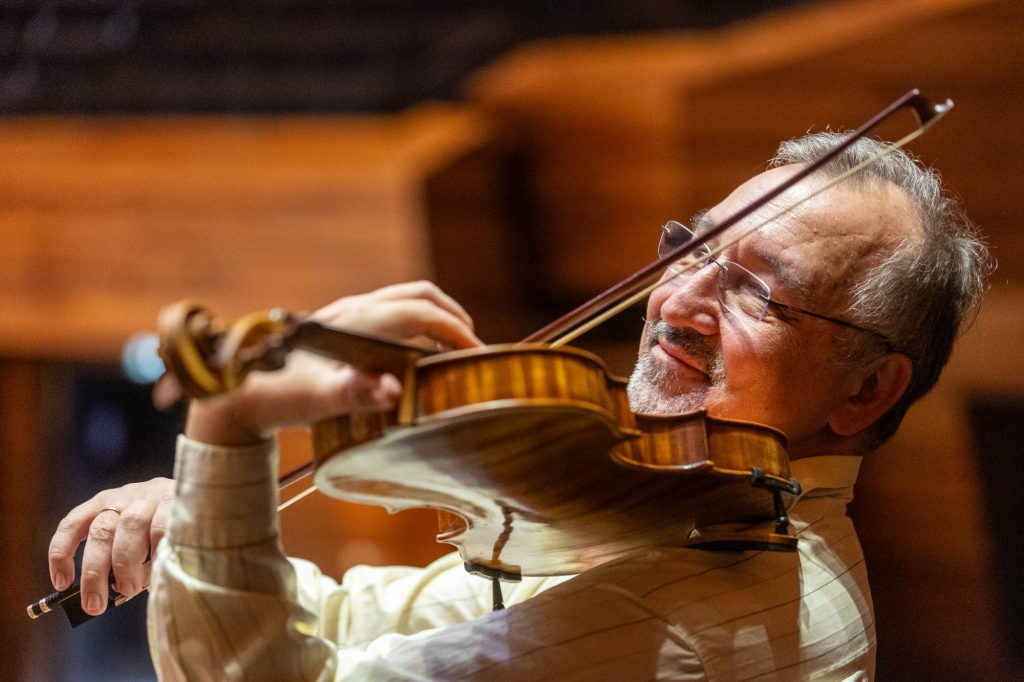
At the same time, you’re not alone. You have to be so detached from the score that you can listen to what’s happening, to be more about listening than playing.”
He never speaks of the two countries as competing worlds, but rather as completing each other. He feels “half Romanian, half French.”
And when he returns to Bucharest, meetings with his former Conservatory classmates are almost ritualistic. After decades and destinies scattered across the globe, their core has remained surprisingly united. Alongside other Romanian musicians playing in European orchestras, they form the Contempo Paris quintet.
“How do you maintain your interest in the profession after such an extensive career, ensuring it doesn’t become just a repetitive job?
That is a musician’s greatest challenge: not to become functional in the bad sense of the word. It’s easy for that to happen. But if you aim to do chamber music concerts, festivals, teach kids, do pedagogy, teach your own kids this music… So, if you continue doing the things you came to this planet for, there’s no way you’ll become merely functional. That’s the only secret. There is a second option: you hang up your instrument, say ‘Great, I got into the National Orchestra of France,’ and rest on your laurels.”
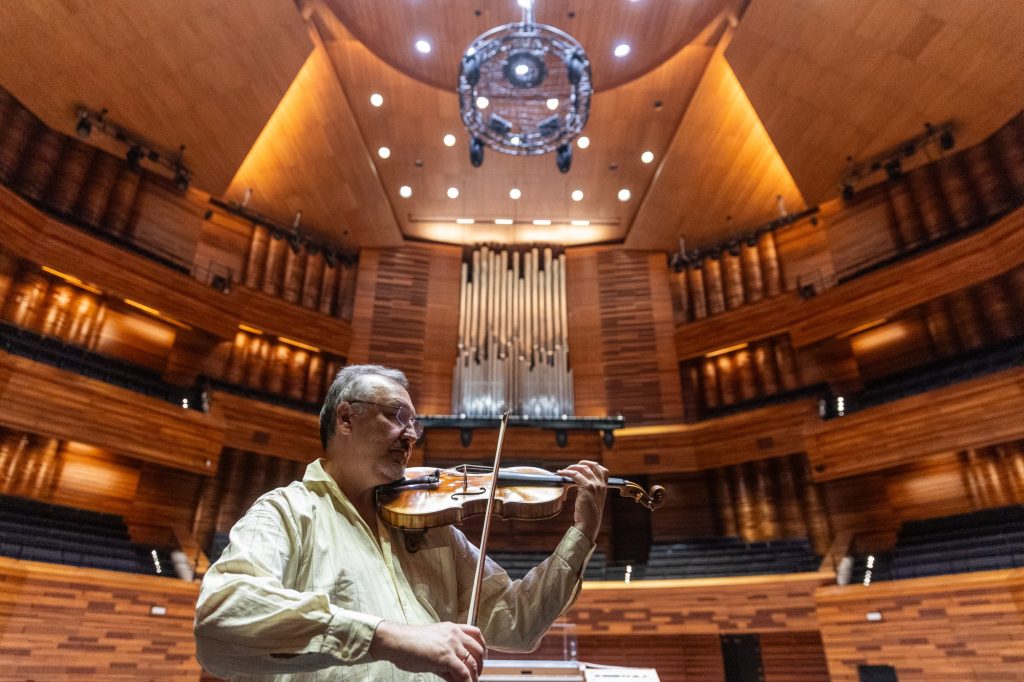
In this job, there’s no standing still or stagnating. You either go down or you go up. It’s just like high-performance athletes.
Teodor Coman, violist
Because if you don’t practice for a day, you fall back two days. And the next day, you have even more ground to make up.”
Throughout Teodor Coman’s words, the idea constantly resurfaces that the Romanian school of music possesses something impossible to put into words. He refers to a shared sensitivity, a way of listening to and breathing the music – something he has always found whenever he has played alongside other Romanian musicians.
This sensitivity has left its mark on the entire National Orchestra of France ever since Maestro Cristian Măcelaru took leadership, says Teodor Coman.
“We call him Cristian, as we have a very open relationship with the maestro.
Cristian has brought down the volume of the strings significantly, so that when a wind soloist has a passage, they aren’t forced to push. From this combination emerges a diaphanous sound.

How would you describe Cristian Măcelaru’s tenure at the National Orchestra of France?
As an incredible evolution of the orchestra. Many positions were renewed as well; there were many retirements. And the level of the young musicians is absolutely fantastic. In my day, these young people could have been international soloists.”
“It’s strange that there is money for the Enescu Festival, but not for Enescu’s manuscripts.”
In recent years, one of the National Orchestra of France’s projects has been recording the complete works of George Enescu under the baton of Cristian Măcelaru. The violist describes the experience almost as a microscopic research process.
“We came to zoom in on every musical landscape, on every single note. What Cristian Măcelaru has done with Enescu is extraordinary.”
“And how did your French colleagues respond to Enescu’s music? I know there are musicians who say Enescu is difficult to interpret, that it requires a lot of study.
They responded very well. For them, it’s a pleasure every time they go to Romania for the Enescu Festival.”
Enescu is so brilliant that he could have written in any style, which, in fact, he did. He was very different from one work to the next. He is up there somewhere; we touch him, we feel him, but we can’t grasp him with both hands.
Why?
Because he doesn’t have just one personal style. For example, there are composers who always write in the same style. That’s their trademark. That’s how they’re recognized across the entire planet. But Enescu – and this is his genius – could write in any style he wanted. And every single work is something completely different. That’s why he’s so difficult to interpret.
Otherwise, I know about the story with Enescu’s manuscripts; I saw your investigation. What seems strange to me is that there is money for the Enescu Festival, but not for Enescu’s manuscripts. How is that possible? We’re talking about the exact same thing: culture.”
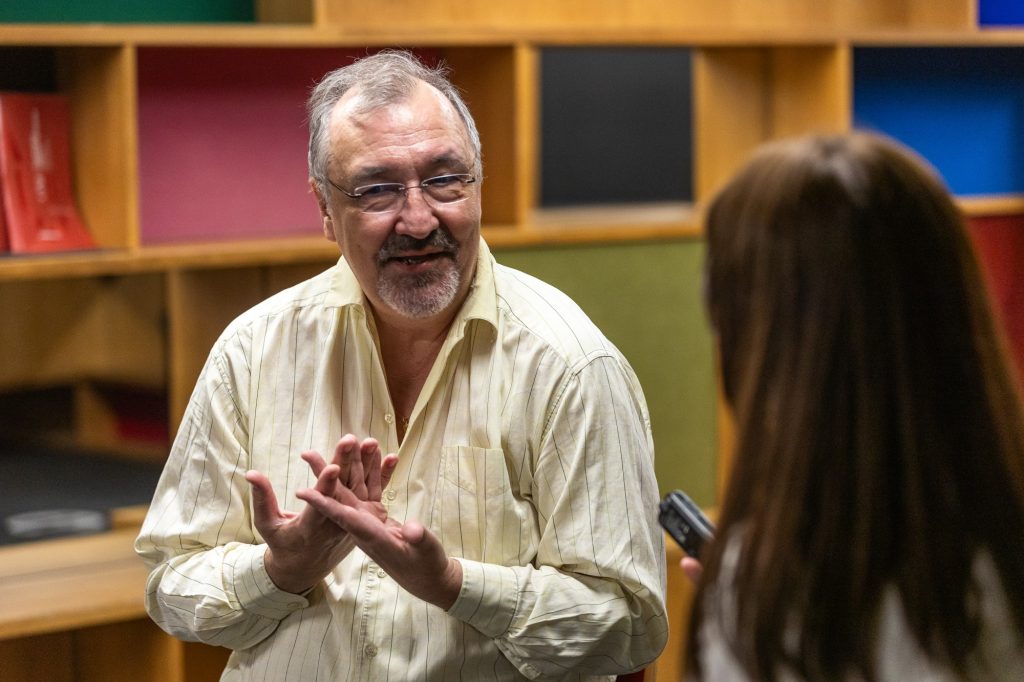
While George Enescu’s manuscripts remain stored in containers, as we have shown on Cultura la dubă, the world’s great orchestras are performing his music more and more frequently, especially after last year marked 70 years since the composer’s passing, making access to performance rights for his music more accessible.
Teodor Coman says he hopes to live to see the day when he returns to the Enescu Festival to perform in a new concert hall, the kind Bucharest deserves to have.
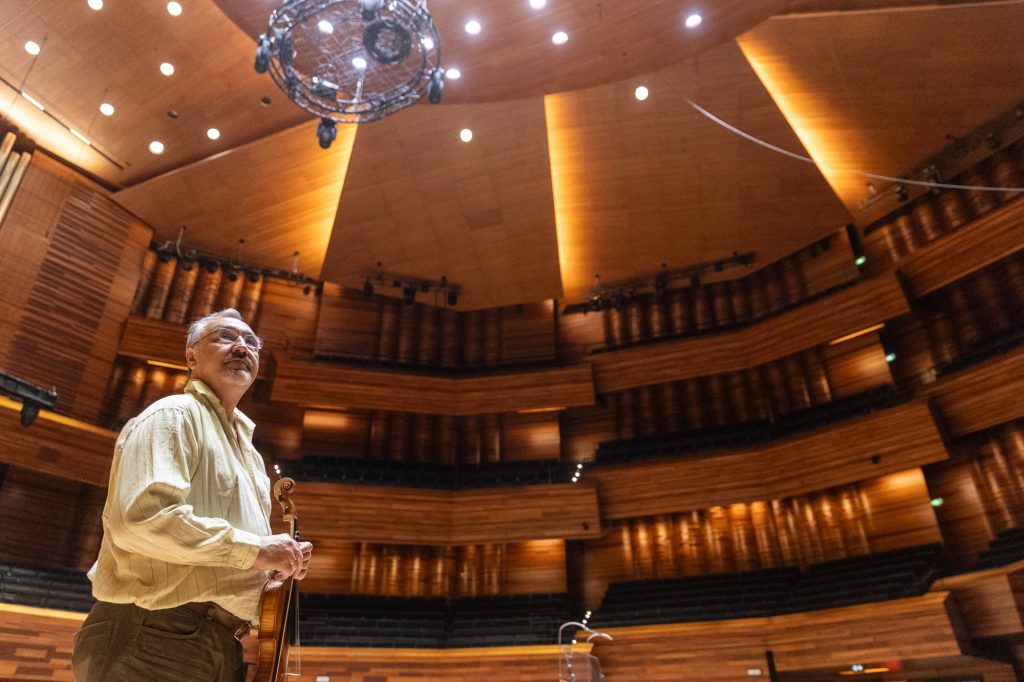
“At Sala Palatului, people fought to improve the acoustics. I know because my father worked in television; I knew the staff and the effort they put in there. But it’s a hall built for speaking, for congresses. The Atheneum is fantastic, but it’s too small, we can’t push the walls back.
The hall exacerbates what we do on stage; it acts like an amplifier. We send out energies in a synergy that projects into the hall. You don’t receive it the same way as in a cathedral, for instance. In a cathedral, it reverberates too much, it sounds like a bathroom.
The sound bounces around and doesn’t penetrate you the way it does in a concert hall. And ultimately, it’s this exact impact that sound has on a person in a real concert hall that keeps them coming back.”
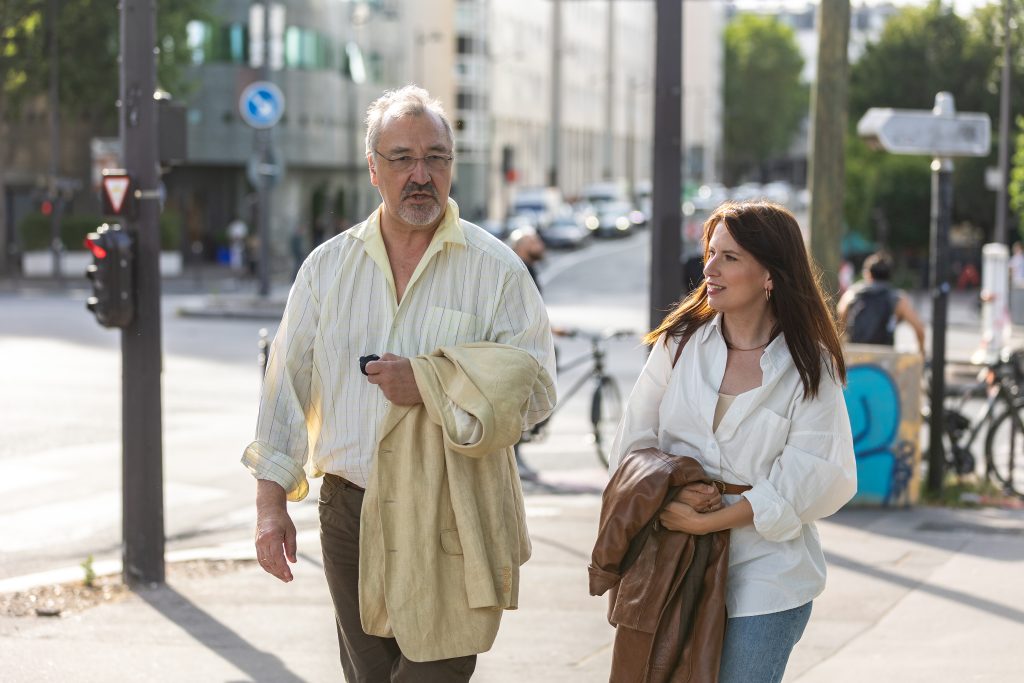
In France, access to classical music concerts is increasingly relaxed, with fewer formalities. Many French people head to the concert hall straight from work, wearing jeans and a shirt, and that isn’t a problem at all.
‘Whether they come dressed up or in jeans, the important thing is that they come and appreciate the music. Because it is the language that unites us all, no matter how we are dressed.’
The child who started studying the violin at age 5 has now dedicated over 50 years to music. He hopes to pass on the joy of playing to new generations, whether as a full career or as studying an instrument for personal growth and mental development.
“Studying an instrument is similar to yoga. It’s self-discovery. It pushes your limits to places you didn’t even think you were capable of reaching. It’s a mental battle. Everything takes place within a single square meter for 2 to 8 hours a day. I used to practice up to 8 hours a day before entering the Conservatory.
It’s an inner journey. You learn to breathe, to regulate your breath, to see what your expressive possibilities are, it’s something vast, without limits.”
***
This material is part of the “France Week” series, a Cultura la dubă project supported by BNP Paribas.